The strongest NSFW AI roleplay generators in 2026 combine chat-driven story with on-demand scene images. NovelAI is the polished SaaS pick, DreamGen handles long-form story plus image gen, JanitorAI dominates character cards, and TavernAI (now SillyTavern) is the open-source self-host route. Pick by character memory length first, image quality second, freedom third.
A roleplay generator is not just a chatbot. The bar is chat-driven storytelling that maintains character across long sessions, plus the ability to summon a scene image on demand when the story calls for one. Pure chat bots without image generation feel incomplete. Pure image generators without persistent character feel disconnected. The tools that do both well are a smaller set than the marketing suggests.
This guide tests the current generation of NSFW roleplay tools against four criteria: character memory across long sessions, image-on-demand quality and trigger mechanics, uncensored versus filtered behavior, and the self-host versus SaaS trade-off. For pure writing without images, our fanfiction writers guide covers that adjacent category in depth.
What Makes A Roleplay Generator Good
Four properties define a serious roleplay generator. Memory: the tool remembers what happened ten or twenty turns ago, not just the last message. Character: a defined character (personality, voice, backstory) persists rather than the AI defaulting to generic responses. Image-on-demand: when the story reaches a scene worth visualizing, the tool generates a contextually appropriate image without breaking the chat flow. Freedom: NSFW content is supported without filter overrides constantly killing the flow.
Most tools nail two of the four. The handful that nail three or four are the ones worth investing in for a long campaign. Spending two hours setting up a character in a tool that forgets it by turn twenty is the most common waste of time in this category.
NovelAI: The Polished SaaS Pick
NovelAI combines a long-context story generator with an integrated image generation pipeline running on tuned anime and realistic models. The story engine handles 8k to 16k token contexts depending on tier, which means it remembers genuinely long sessions. The image generator pulls from the same context, so when you ask for an image, it picks up character description and scene from the established story.
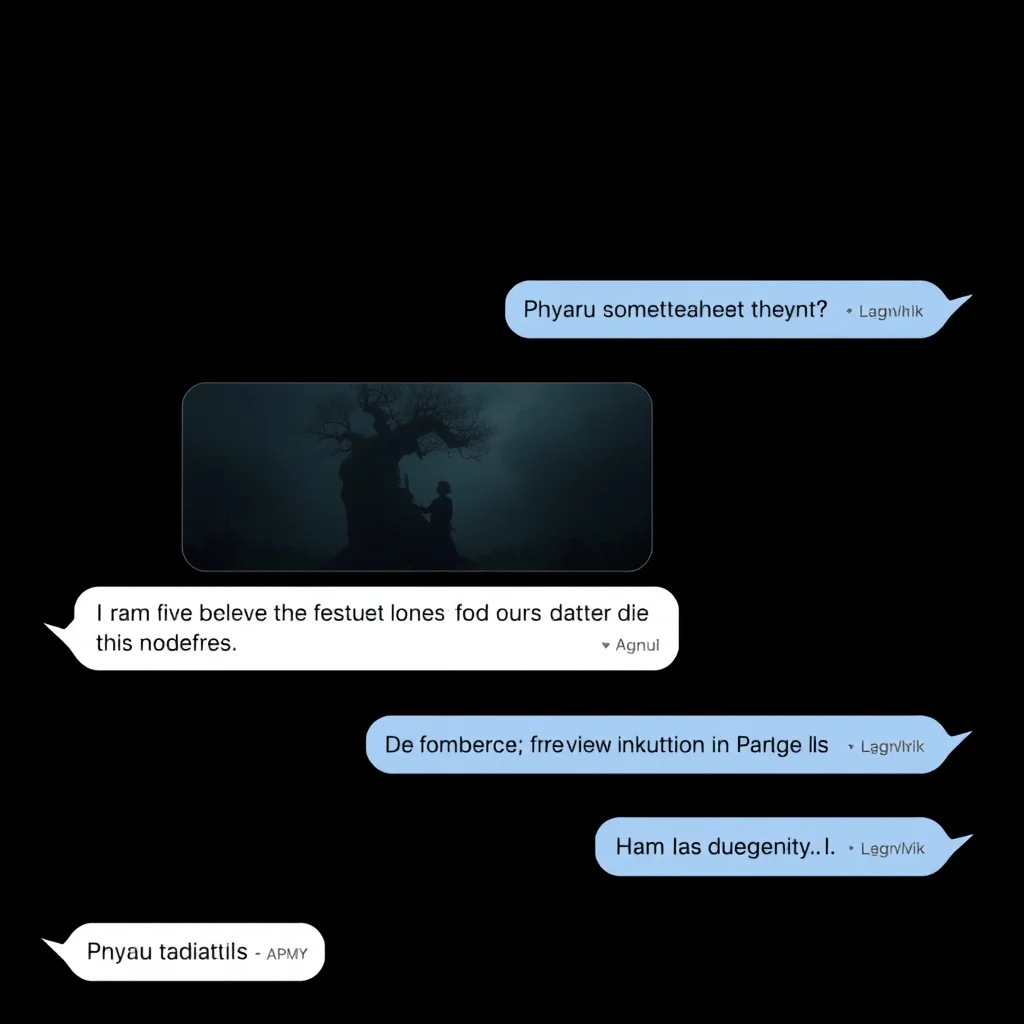
Filter behavior on NovelAI is permissive for adult content within consenting-adult constraints. The image generator inherits tuning from anime-capable base models. It is not the absolute highest-quality image output on the market, but it is the best integrated chat-plus-image experience for a single subscription fee. For users who want one tool and one bill, it is the strongest pick.
DreamGen: Long Story Plus Image Gen
DreamGen focuses on long-form story writing with integrated image generation. The character memory and scene continuity are better than most chatbots because the underlying engine is a story model, not a conversation model. Image generation triggers on explicit request or scene marker, and the images pick up character details from the established story.
The trade-off versus NovelAI is interface. DreamGen feels like a writing tool with chat features. NovelAI feels like a chat tool with writing features. Pick by which mode you actually use. If most sessions are long narrative arcs with occasional dialogue, DreamGen. If most sessions are dialogue with occasional scene description, NovelAI.
JanitorAI: Character Cards At Scale
JanitorAI dominates the character-card ecosystem. Thousands of community-created character cards exist, covering every imaginable setup. The interface is built around picking a character, jumping into a session, and letting the card define the personality and starting scenario. Image-on-demand exists but is weaker than the chat side, generally pulling from external image generation services rather than running its own.
Memory on JanitorAI varies by backend. The free OpenAI-proxied tier has shorter memory than the paid tiers that run higher-context models. For sustained character work, pair JanitorAI with one of the better-memory backends or self-host alternative if the character set is the draw and memory is the gap.
TavernAI and SillyTavern: The Open-Source Route
TavernAI evolved into SillyTavern, the open-source self-hosted frontend that connects to any LLM backend (local, OpenAI, OpenRouter, etc.) and any image generation backend (local Stable Diffusion, SaaS APIs). The advantage is total control: you pick the language model, you pick the image model, you control the prompt structure, and you keep all data local if you want.
The trade-off is setup. SillyTavern itself is straightforward to install, but pairing it with a local LLM and a local Stable Diffusion install is a multi-hour project the first time. After setup, it is the most flexible and most uncensored option in this category. For users who already run ComfyUI or Forge locally, adding SillyTavern is a natural extension. The SillyTavern GitHub repo documents the install.

Tipsy, Rolemantic, and Gening AI
A second tier of SaaS roleplay tools exists. Tipsy.chat focuses on casual adult roleplay with a friendly interface. Rolemantic AI leans into romantic and emotional storyline beats. Gening AI is a newer entrant integrating both chat and image gen in one workflow. None of these match NovelAI or DreamGen on polish, but each has a niche audience and each handles NSFW content without aggressive filtering.
These are worth a trial month each if the primary tools do not fit. Roleplay preference is highly personal, and a tool that feels right to one user may not click for another. Free or trial tiers exist on most, so the cost of evaluation is low. For the underlying generation engines, the ComfyUI repo documents how to wire ComfyUI into a roleplay frontend as the image backend.
Character Memory Benchmark
In testing across 25-turn sessions with a defined character (specific name, personality, voice, backstory), the ranking holds across most narratives: SillyTavern paired with a 32k-context local model is the best (memory effectively unlimited within the chosen context window). NovelAI paid tier is second (8k to 16k tokens depending on plan). DreamGen is third with similar capability. JanitorAI paid tier is fourth. Free tiers across the board are fifth, with memory short enough that character drift sets in by turn 15 to 20.
The practical implication: if you run long sessions, the free tiers are not viable. Either pay for a serious backend or self-host. The character work you put in on turn one is wasted if the AI has forgotten it by turn twenty.
Image Generation Quality And Triggers
Image-on-demand quality splits the tools clearly. NovelAI runs its own tuned image models and produces consistent, story-aware images. DreamGen does similar. SillyTavern paired with local ComfyUI or Forge produces the highest absolute quality because you pick the model and tune it. JanitorAI image gen leans on external services and quality varies. The other SaaS tools sit in the middle.
Triggers also matter. The cleanest pattern is explicit user request (“show me the scene”), which most tools support. Automatic scene-marker triggers (AI detects a visualizable moment and offers an image) are less common but better for immersion when they work. SillyTavern offers the most configurable trigger system because the user defines it.
Self-Host Versus SaaS Decision
Three factors drive the decision. Privacy: self-host keeps all data local. SaaS uploads sessions to a third party server. For sensitive roleplay, self-host wins. Setup effort: SaaS is one signup. Self-host is a few hours the first time. Quality and freedom: self-host is highest if you tune it well, SaaS is more polished out of the box. For casual users SaaS wins on convenience. For power users self-host wins on every other dimension.

A middle path: SillyTavern as the frontend, pointed at a SaaS LLM API (OpenRouter, etc.) and a SaaS image API. This gets the SillyTavern flexibility without the local hosting effort. Most active SillyTavern users run this hybrid setup.
Setup Tips
Three setup habits pay off across every tool. One: write the character profile in detail (name, age, personality traits with examples, voice samples, key backstory, no-go topics) before the first session. A 500-word character profile produces a much more consistent character than a 50-word one. Two: take notes during long sessions. A simple text file with key events and decisions lets you refresh the AI memory when context drifts. Three: save sessions you like. Most tools support session export. A good run is worth keeping as reference for future characters.
And one anti-pattern: do not try to use a generic chatbot (general-purpose model with no character system) for serious roleplay. The character will drift, the freedom will be inconsistent, and the image gen will be missing or weak. Use a tool built for the job. The category exists because the use case is genuinely different from general chat.
Frequently Asked Questions
What is the best NSFW AI roleplay generator in 2026?
There is no single best. NovelAI is the most polished SaaS for combined chat and image generation. DreamGen wins for long-form story plus image gen. JanitorAI dominates the character-card ecosystem. SillyTavern (formerly TavernAI) is the best self-hosted route. Pick by character memory length first, image quality second.
How important is character memory in a roleplay tool?
Critical. Three hours of buildup is wasted if the AI forgets a key detail by turn twenty. Tools that hold context to 16k tokens or more are categorically more usable. That single spec is worth more than small image quality differences. Free tiers typically drift by turn 15 to 20.
Can I run NSFW roleplay locally?
Yes. SillyTavern (open source) paired with a local LLM and a local Stable Diffusion install gives total control: uncensored model, uncensored image gen, all data local. Setup takes a few hours the first time. After that it is the most flexible and most uncensored option in the category.
Which roleplay tool has the best image generation?
SillyTavern paired with local ComfyUI or Forge produces the highest absolute image quality because you pick and tune the model. NovelAI is the best integrated SaaS option, with its own tuned models and story-aware image gen. DreamGen is similar. JanitorAI image gen varies because it leans on external services.
Is JanitorAI uncensored?
JanitorAI permits NSFW roleplay on most character cards, but behavior depends on the backend the user connects. Free OpenAI-proxied backends apply more filtering. Paid backends running higher-context models with looser filters give more freedom. Character cards themselves can be set up with or without explicit content.
How long can a roleplay session realistically run?
On strong tools with 16k+ token context, sessions can run 50 to 100 turns without serious drift. On 32k+ context (SillyTavern with capable local models), effectively unlimited within the context window. On 4k or 8k tiers, drift sets in around turn 20 to 30. Taking notes during long sessions extends usable length on any tool.
Should I write a character profile before starting?
Yes, and the more detailed the better. A 500-word character profile (name, personality with examples, voice samples, backstory, no-go topics) produces a far more consistent character than a 50-word one. Pair the written profile with a generated face reference image and feed both into the tool if it supports both.
Can I migrate a session between tools?
Mostly no. Each tool stores session state in its own format, and there is no standard export. The exception is character cards, which have a near-standard format usable across SillyTavern, JanitorAI, and several other tools. Sessions themselves usually have to be summarized into a written recap and restarted in the new tool.
Related guides:
Compare the options:
Looking for other options?
Just getting started?
Checking the price first?