Last tested: May 2026 · Tested by: Faz, founder of AI Image Generator NSFW
Don’t want to install Yiffymix locally?
Use our free Flux-based generator for general anthro/furry art. No setup, no login.
Generate Free Online →Generating furry AI art with NSFW content requires tools that support both the furry art style and unrestricted generation. Here are the best options and how to get quality furry results.
Furry NSFW AI: The Two Routes
Generating quality NSFW furry / anthropomorphic AI art comes down to two paths:
- Specialized furry models (highest quality). Local installs of Yiffymix, Fluffyrock, EasyFluff, or Indigo. These are fine-tuned specifically on anthropomorphic content and produce the best results for fur texture, anatomy variations, and species-specific accuracy. Requires GPU (8GB+ VRAM) and setup time.
- General-purpose Flux/SDXL (good quality, zero setup). Browser-based tools like our free generator. Flux handles general anthro/furry prompts well, especially for popular species (wolf, fox, dragon, cat). Less style-pure than specialized models, but instantly accessible with no install.
For most casual users, route 2 is enough. For serious furry artists who need consistent style and specific species accuracy, route 1 is worth the setup time.
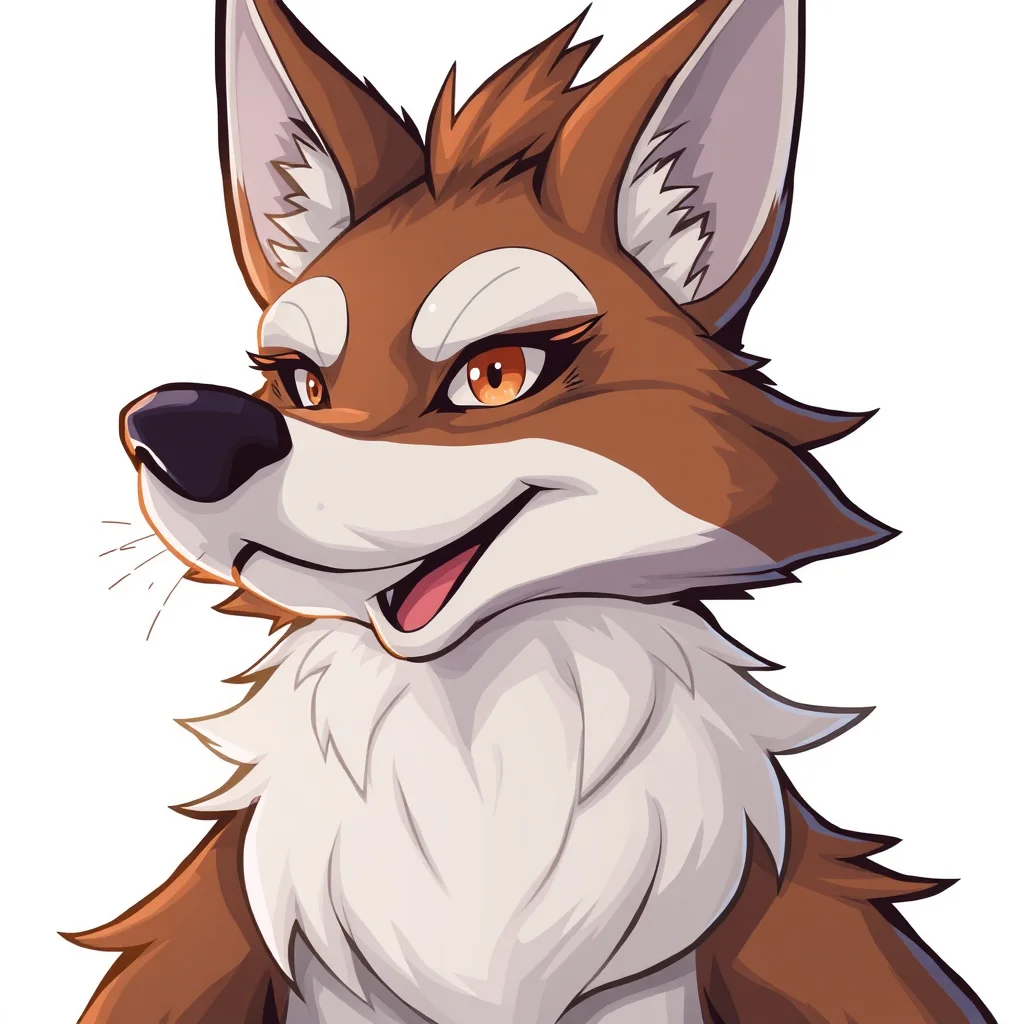
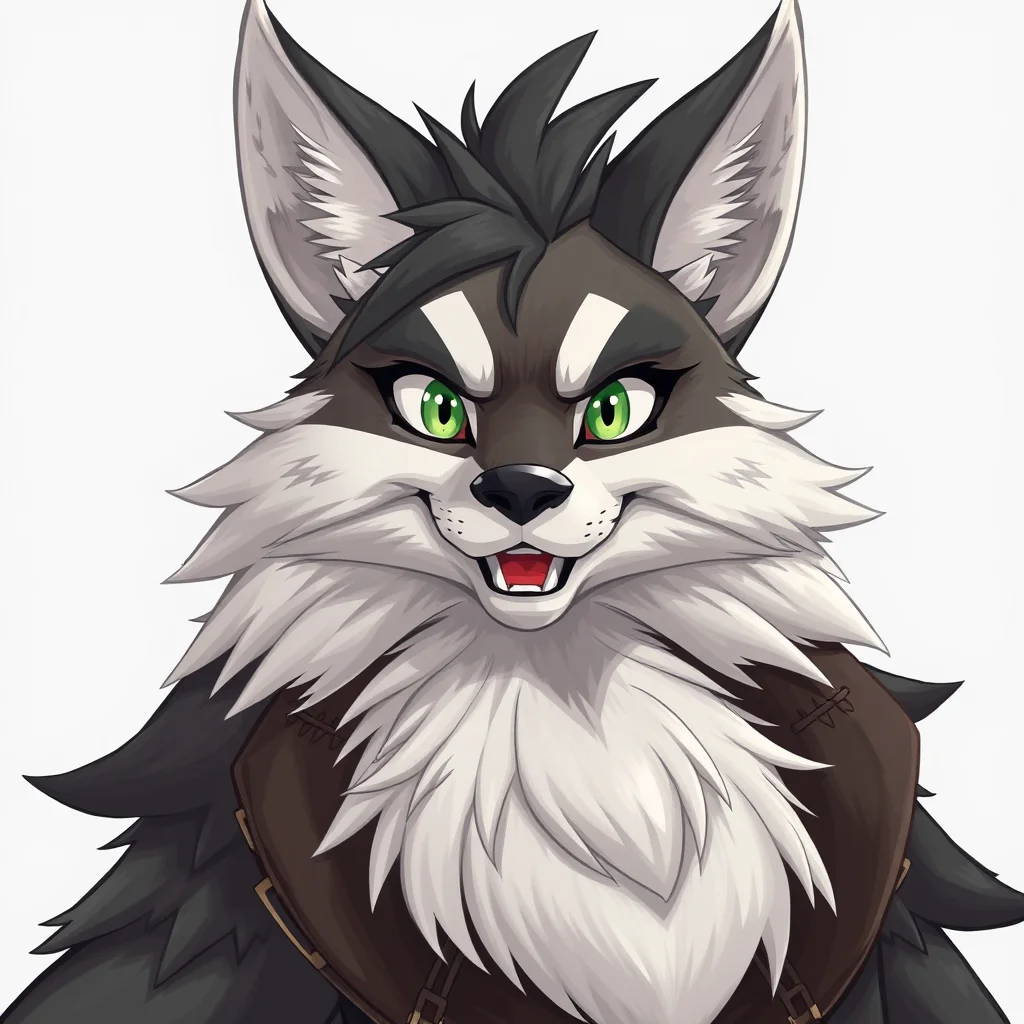
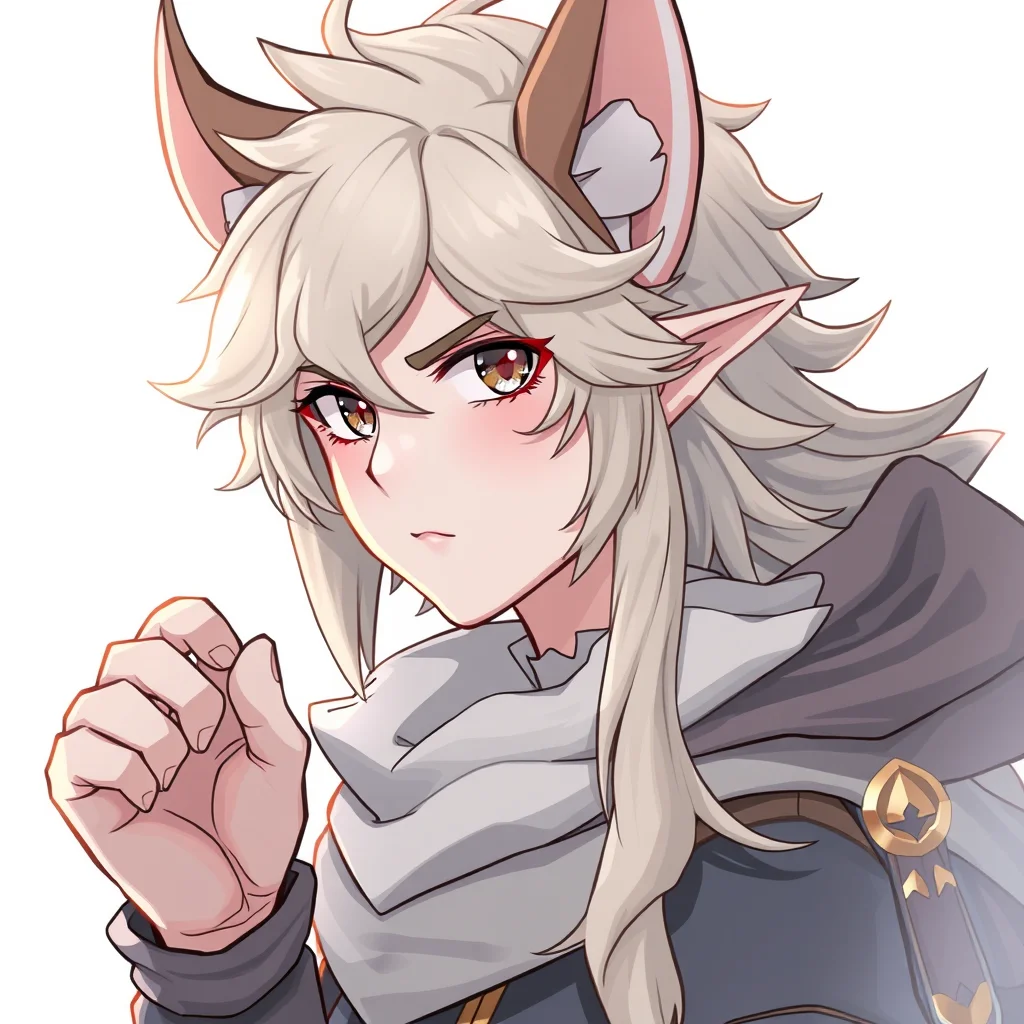
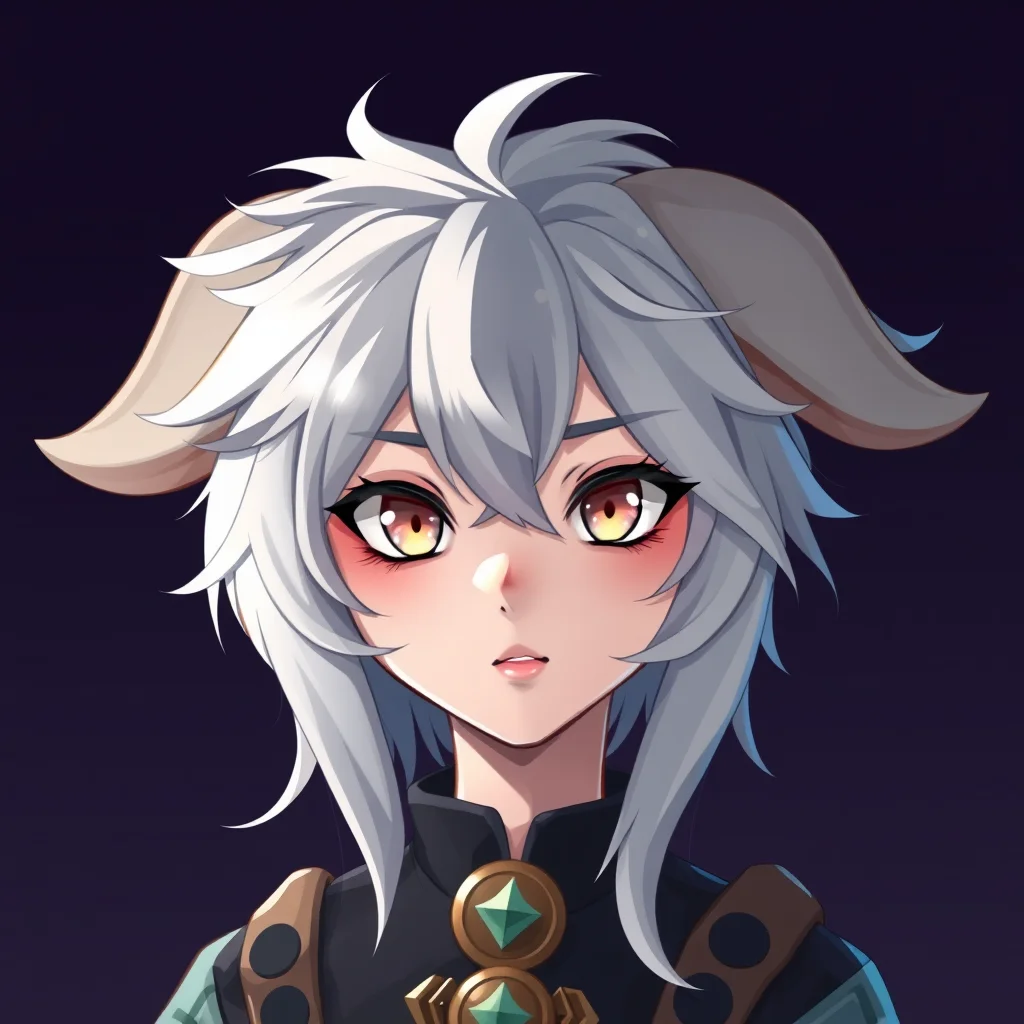
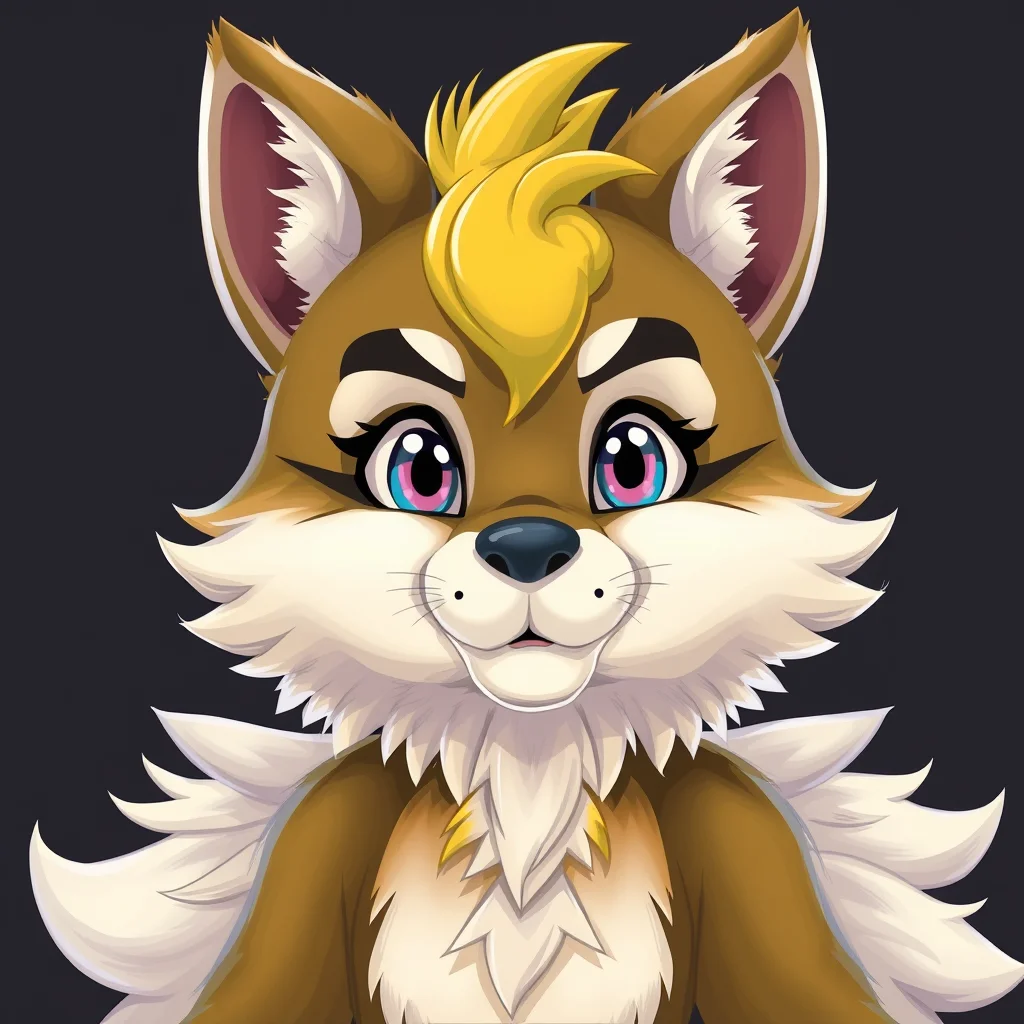
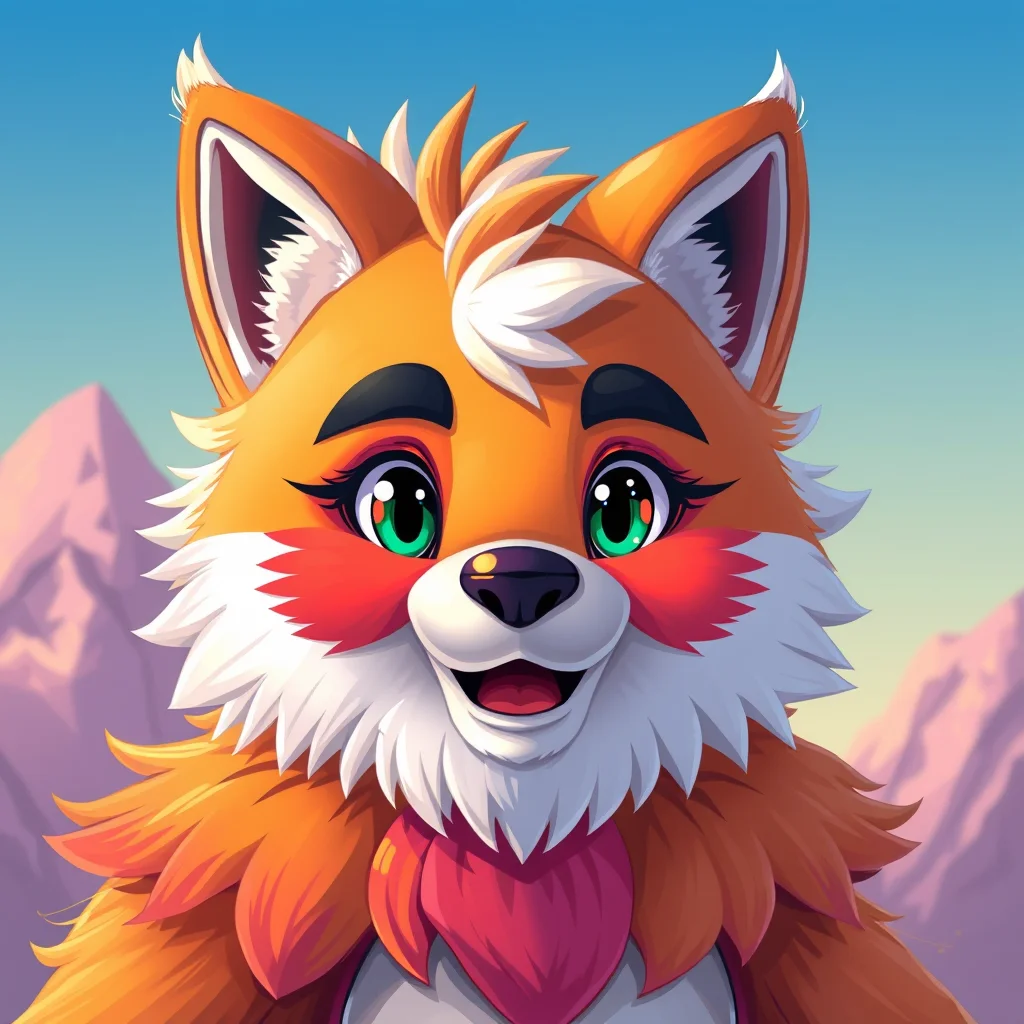
Best Furry NSFW AI Generators
1. Local Stable Diffusion with Furry Models
The best furry AI art comes from local Stable Diffusion with furry-specific model fine-tunes. Models like Fluffusion and furry-specific LoRAs on CivitAI produce excellent results. Local setup guide.
2. Aiimagegeneratornsfw.com
For quick furry generation without setup, our generator supports furry-style prompts. Add “furry, anthropomorphic” to your prompt along with species and style descriptions. Free, no account.
3. Perchance
Some Perchance community generators are tuned for furry art. Guide here.
Furry-Specific Prompting Patterns That Work
Whether you’re using a specialized furry model or a general one like Flux, these prompt patterns produce reliably good results:
- Lead with species + form: “anthropomorphic fox, full body, standing pose”. Sets the foundation correctly
- Specify fur detail: “soft fur texture, detailed fur shading, realistic fur”. Without this, models default to flat textures
- Include style anchor: “digital painting” or “illustration” or “3d render”. Keeps the model consistent
- Use furry-community vocabulary: “anthro,” “feral,” “morph,” “solo character”. These terms are well-understood by trained models
- Negative prompts that matter: “human, realistic photograph, deformed anatomy, extra limbs”
Prompting Tips for Furry Art
- Specify the species: “wolf, fox, dragon, feline” etc.
- Describe anthropomorphic features: “anthro, bipedal, humanoid”
- Art style: “digital art, furry art style, detailed fur texture”
- Quality: “masterpiece, best quality, highly detailed”
- Negative prompts: “human, realistic human face” to avoid mixing styles
For anime-style generation: Anime guide | All free tools: Free generators
About the author
Faz built AI Image Generator NSFW. A free Flux-based tool that handles general anthro/furry prompts well without requiring a local install. Try generating furry art →
Why Generic NSFW AI Models Fail at Furry Output
Furry. Anthropomorphic animal characters with humanoid features and animal traits. Is one of the hardest art categories for generic AI image models to handle. Generic models trained predominantly on photographs of humans understand “human” and understand “animal” but struggle to compose a coherent hybrid. Output from a generic NSFW model with a furry prompt typically produces either “human in animal costume” (no real anthropomorphism) or “animal with vaguely human pose” (no character).
Purpose-built furry models. Fine-tuned on tens of thousands of furry art images from Furaffinity, e621, and community sources. Understand the conventions of the medium: muzzle proportions, fur rendering, paw vs hand vs paw-hand hybrids, tail physics, ear placement, and the specific aesthetic of community art. The output difference is dramatic.
Furry Aesthetic Categories
Realistic anthro. Photo-realistic fur, anatomically grounded body proportions, naturalistic lighting. Hardest category to render; a few specialised SDXL checkpoints handle this.
Toony anthro. Cartoon proportions, simplified shading, expressive faces. The dominant style in the community and the easiest for AI models to reproduce.
Macro/Micro. Size-difference content. Requires careful prompting because models default to similar-sized characters.
Feral. Less anthropomorphic, more animal-like. Different model territory; often a different checkpoint entirely.
Specific species. Wolves, foxes, dragons, sergals, dutch angel dragons. Community has dozens of established species archetypes. Models tuned on e621 tags handle these well.
Prompt Patterns for Furry
Lead with species. “Anthro fox, male, [other tags]” works; “[other tags], anthro fox” works less well. Tag-style comma-separated prompts outperform natural language because most furry models are trained on Booru-style tag datasets. Use score and quality boosters specific to the model. Pony-derived furry forks use “score_9, score_8_up” anchors. Use negative prompts to suppress unwanted styles (“human, no fur, photorealistic photo” if you want toony output; “toony, cartoon” if you want realistic).
Common attribute tags worth knowing: “digitigrade legs”, “plantigrade legs”, “fluffy tail”, “tuft fur”, “paw pads”, “muzzle”, “thick thighs”, “soft body”. Specific community tags vary by checkpoint. Check the checkpoint’s documentation page for which tags it was trained on.
Where Furry Generators Currently Struggle
Multi-character interactions. Two or more anthro characters in the same scene typically produce body-part confusion (which paw belongs to which character). Workaround: generate single characters and composite manually, or use ControlNet pose guidance.
Specific named species. Less-common species (dutch angel dragons, sergals, primagen) require very specific prompting and often a community LoRA. Generic furry checkpoints handle wolves, foxes, dragons well; rarer species poorly.
Consistent characters. Maintaining the same OC across multiple images requires either a character LoRA (requires training, requires local install) or careful seed reuse with detailed feature prompting.
Privacy and Community Considerations
The furry community has stronger norms around AI-generated content than most NSFW categories. Many community spaces (Furaffinity, e621) have explicit policies against AI-generated submissions, and uploading AI furry art to these platforms is grounds for ban. If you generate for personal use, this doesn’t matter; if you intend to share, check the platform rules first.
For local furry model training, several community-curated datasets exist with explicit creator-consent provenance. These are preferable to scraped datasets for ethical reasons even though they’re harder to find.
Species and Subspecies Tag Precision for Furry NSFW
Furry NSFW AI generation requires more specific species tagging than mainstream anime NSFW. The furry community has developed extensive vocabulary for fursona species, traits, and morphologies that the trained models (especially Pony Diffusion V6 XL) respond to precisely. Loose or generic species terms produce inferior output.
Primary species categories
- Canid family: anthro_wolf, anthro_dog (breed-specific tags like anthro_husky, anthro_german_shepherd), anthro_fox, anthro_jackal, anthro_coyote
- Felid family: anthro_cat (with breed tags), anthro_lion, anthro_tiger, anthro_leopard, anthro_panther, anthro_serval
- Equid family: anthro_horse, anthro_zebra, anthro_donkey, anthro_unicorn
- Cervid family: anthro_deer (with subspecies like white-tailed_deer, fallow_deer), anthro_elk, anthro_moose
- Aquatic: anthro_otter, anthro_shark (with species like great_white_shark, hammerhead_shark), anthro_dolphin, anthro_orca
- Mythic: anthro_dragon (with subtypes like western_dragon, eastern_dragon, kobold), anthro_phoenix, anthro_gryphon
Anatomical trait modifiers
- Fur traits: short_fur, long_fur, fluffy_fur, smooth_pelt, scarred_fur, dyed_markings
- Build traits: anthro_proportions, digitigrade_legs, plantigrade_legs, muscular_build, slim_build, chubby_build
- Feature tags: pointed_ears, floppy_ears, expressive_tail, fluffy_tail, prehensile_tail, scales_with_fur
- Eye traits: slit_pupils, round_pupils, glowing_eyes, heterochromia
Style modifiers specific to furry models
Pony Diffusion V6 XL was trained heavily on community art, so style tags work strongly. Useful style tokens include ‘painted_style’, ‘sketch_style’, ‘fully_rendered’, ‘cel_shaded’, ‘fluffy_render’. Quality reinforcers that work specifically well: ‘score_9, score_8_up, score_7_up’ (Pony Diffusion’s training included aesthetic scoring tags).
Negative prompt patterns for furry NSFW
Furry-specific negative prompts to add to the standard anime negatives: ‘human_face, human_hands, no_fur, smooth_skin_only, missing_tail, malformed_paws, extra_limbs, deformed_muzzle, wrong_anatomy’. The most common furry NSFW failure mode is human features bleeding through the anthro form; targeting these explicitly in the negative prompt fixes most cases.
Where to source character references
FurAffinity (with NSFW filter on) and InkBunny are the largest furry community art archives. Both allow downloading reference images for personal use. E621 is a tag-based archive that uses the same booru tag vocabulary as Pony Diffusion’s training data, making it especially useful for finding correct tag spellings. Always check usage rights before using any reference for LoRA training. For the broader character consistency workflow (LoRA training, reference conditioning), see our prompt examples guide.
Frequently Asked Questions
Why do generic NSFW models fail at furry output?
Generic models are trained predominantly on photographs of humans and produce either ‘human in animal costume’ or ‘animal with human pose’ rather than coherent anthro characters. Purpose-built furry checkpoints fix this.
What’s the best furry NSFW AI checkpoint in 2026?
Pony XL community furry forks lead the field, followed by SDXL fine-tunes trained on e621 datasets. The specific checkpoint depends on whether you want toony, realistic, or feral output.
How do I prompt for specific species like dragons or sergals?
Lead with species in the prompt and use Booru-style tag prompting. Less common species (sergals, dutch angel dragons, primagen) often need a community LoRA to render well.
Can AI furry art be uploaded to Furaffinity or e621?
No. Both platforms have explicit policies against AI-generated submissions. Uploading is grounds for ban. Personal use is unaffected; sharing publicly requires checking platform rules first.
Why are character LoRAs important for furry?
Maintaining the same OC across multiple images requires either a character LoRA or careful seed reuse with detailed feature prompting. Pure prompt-based consistency rarely matches a trained LoRA.
Which models are best for furry NSFW content specifically?
Pony Diffusion V6 XL is the industry standard for furry NSFW in 2026. It was trained with extensive furry community input and handles species, anthro proportions, and fur textures better than general-purpose models. Wai-Illustrious can also produce furry content but is less specialized. Both are available via aiimagegeneratornsfw.com or local ComfyUI.
How do I prompt for specific furry species accurately?
Use the species name as a prominent prompt token, supported by anatomy hints. For canines: ‘anthro_wolf, lupine_muzzle, pointed_ears, fluffy_tail’. For felines: ‘anthro_cat, feline_features, retractable_claws_implied, slit_pupils’. Pony Diffusion responds to specific species tokens better than generic ‘furry’. Add a single primary species tag, not multiple.
Are there ethical considerations specific to furry NSFW AI?
The standard NSFW AI ethics apply. Only adult characters, no real-person basing, no commercial use of recognisable copyrighted characters without rights. Furry-specific consideration: the furry community has internal norms about character respect and consent that AI generation can violate inadvertently. If using a character based on someone’s fursona, get permission first.
Furry NSFW Generator Quick-Pick Cheat Sheet
Three rapid decision filters for picking the right furry NSFW generator setup in 2026. First, if you want the easiest path with no learning curve, use the anime mode at aiimagegeneratornsfw.com with explicit species tags in your prompt; it runs Wai-Illustrious which handles furry adequately at zero cost. Second, if you want maximum furry-specific fidelity, use Pony Diffusion V6 XL via Civitai on-site generation or locally through ComfyUI; the model was trained heavily on furry community art and shows it. Third, if you want a paid managed service for furry character consistency across image series, no current platform specifically targets furry character consistency, so the practical answer is to train a custom LoRA on fal.ai using 15-25 reference images of your character.
The strongest furry NSFW models are community fine-tunes. Most are hosted on Civitai, built on base Stable Diffusion checkpoints distributed via Hugging Face.