To make fantasy NSFW AI art, prompt for the race or creature (adult elf, succubus, fae, sorceress), an enchanted setting (ancient forest, candlelit throne room), and ethereal magic cues (glowing runes, arcane light, ornate armor), then run Pony Diffusion or Illustrious with a fantasy style LoRA. Keep all subjects adult, fictional, and AI-generated.
Fantasy is the richest aesthetic in adult AI art. The genre spans elves, demons and succubi, fae, warriors and sorceresses, enchanted forests, glowing runes, and ethereal lighting, and it rewards specific, evocative prompting more than almost any other style. This guide covers the race and creature vocabulary, the models that render it best, the setting and lighting language, and copy-paste prompts with safe negatives.
One rule governs everything here. Every fantasy being, no matter how stylized, ancient, or non-human, must be depicted as a clearly adult figure with mature adult proportions. Elves, fae, and similar races are frequently drawn with youthful faces, so you must actively prompt and verify for adult features. Never anything childlike. The character is always fictional, AI-generated, and 18 or older.
What makes the fantasy look
Fantasy reads through a combination of subject, setting, and magic:
- A fantasy race or class: elf, dark elf, demon, succubus, fae, witch, sorceress, valkyrie, druid, orc, tiefling.
- An enchanted setting: ancient forest, candlelit throne room, crystal cave, ruined temple, moonlit grove, arcane library.
- Magic cues: glowing runes, arcane energy, floating embers, magic circles, ethereal glow, bioluminescent flora.
- Ornate detail: ornate armor, filigree jewelry, flowing robes, intricate fabric, gemstones, leather and metal.
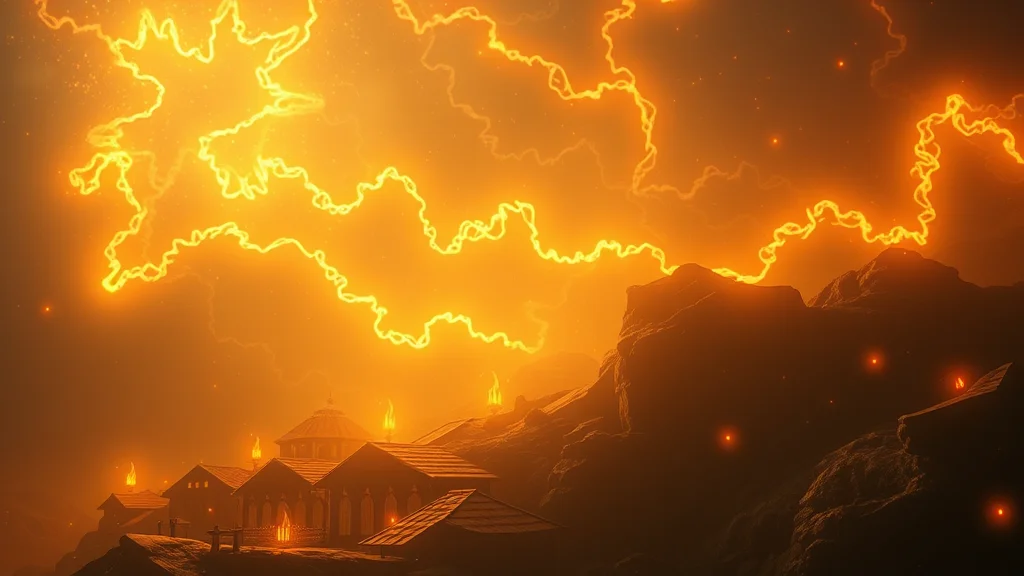
- Ethereal lighting: soft volumetric god rays, rim light, magical glow as a light source, mist.
The difference between generic and convincing fantasy is detail density and a coherent magic light source. A succubus lit by the glow of her own arcane energy reads as fantasy; the same figure under flat light does not.
Best models for this style
Fantasy is a stylistic sweet spot for SDXL anime and semi-real checkpoints:
- Illustrious XL and NoobAI merges. Outstanding at ornate detail, glowing runes, and fae or elf characters with crisp linework. The Illustrious XL NSFW model guide and how to use Illustrious models cover the tag dialect.
- Pony Diffusion V6 XL. Excellent prompt obedience for creature features (horns, wings, tails) and dynamic poses. See the Pony Diffusion NSFW guide.
- Semi-real SDXL checkpoints for a painterly, almost concept-art fantasy. Browse the best Stable Diffusion checkpoints for NSFW roundup.
Layer a fantasy style LoRA (succubus, dark fantasy, arcane, or ornate-armor LoRAs are common on Civitai) at 0.6 to 0.8. The best NSFW LoRAs list is a good start, and you can build your own from reference art with the train a NSFW style LoRA guide. Install any model with how to install NSFW checkpoints.
You can try our free NSFW generator to test fantasy prompts before installing anything locally.
Key prompt keywords
Mix from each column. Always anchor the subject with an explicit adult word.
| Category | Prompt keywords |
|---|---|
| Race and creature | adult elf, dark elf, high elf, succubus, demon, fae, fairy, witch, sorceress, valkyrie, druid, tiefling, orc, nymph, vampire |
| Adult anchor | adult woman, adult man, mature, voluptuous, tall, fully grown |
| Features | pointed ears, curved horns, leathery wings, glowing eyes, tail, fangs, runic tattoos, intricate makeup |
| Setting | enchanted forest, ancient ruins, candlelit throne room, crystal cave, moonlit grove, arcane library, misty swamp |
| Magic | glowing runes, arcane energy, magic circle, floating embers, ethereal glow, bioluminescent, spell effect, magical aura |
| Costume | ornate armor, filigree jewelry, flowing robes, leather corset, circlet, gemstone, silk, fur trim |
| Lighting and grade | ethereal lighting, volumetric god rays, rim light, soft glow, mist, fantasy art, painterly, highly detailed |
For ordering and weighting these, see the NSFW AI prompt formula. For anime-model tag syntax, the danbooru tags for NSFW AI guide lists creature and costume tags.
Lighting and composition
Fantasy lives or dies on magical lighting. Practical rules:
- Make the magic the light.
glowing runesandarcane energyshould cast light on the figure. Addmagic as light source, rim light from spellso the glow is motivated. - Use god rays for grandeur.
volumetric god rays through canopyinstantly elevates a forest scene. - Add atmosphere.
mist, floating embers, dust motes, bokehcatch light and add depth. - Frame for the costume. Ornate armor and jewelry read best in
upper bodyorcowboy shot. Full-body works for wings and flowing robes. - Color the mood. Warm candlelit gold for intimacy, cold arcane blue for power, deep purple for succubus and demon themes.
If detail looks muddy, raise steps and add intricate detail, ornate, highly detailed near the front.
Example prompts
An adult elf sorceress in an enchanted forest, anime-leaning on Illustrious:
Positive:
masterpiece, best quality, 1girl, adult elf woman, mature, solo,
pointed ears, silver hair, glowing blue eyes, ornate filigree armor,
flowing robe, casting a spell, glowing runes, magic circle, arcane energy,
enchanted forest, ancient ruins, volumetric god rays, floating embers,
mist, ethereal lighting, rim light, fantasy art, intricate detail,
highly detailed, sharp focus

Negative:
child, minor, underage, loli, shota, childlike, young, flat lighting,
lowres, blurry, extra fingers, bad hands, watermark, deformed, text
An adult succubus in a candlelit throne room, semi-real on an SDXL checkpoint:
Positive:
fantasy art, adult succubus, 25 years old woman, voluptuous, mature,
curved horns, leathery wings, glowing red eyes, fangs, runic tattoos,
ornate dark armor, gemstone jewelry, candlelit throne room, ancient stone,
arcane purple glow, floating embers, magical aura, volumetric light,
rim light, painterly, dramatic lighting, intricate detail, 8k

Negative:
child, minor, underage, loli, shota, childlike, teen, flat even light,
plastic skin, extra limbs, bad anatomy, fused fingers, watermark, text
Grab more building blocks from the NSFW prompt examples library and keep the negative prompt master list open. You can run either prompt now in our free generator.
Settings that help
- Sampler: DPM++ 2M Karras for crisp detail, Euler a for softer painterly results.
- Steps: 30 to 40. Ornate fantasy detail needs the extra steps.
- CFG: 6 to 8 for anime models, 5 to 7 for semi-real.
- Resolution: SDXL 1024 base, then upscale. Filigree, runes, and fabric sharpen well on upscale, so see the best NSFW upscalers guide.
- Hires fix: 1.5x at denoise 0.35 to 0.45 keeps the ornate detail intact.
Low VRAM card? The best NSFW checkpoints for low VRAM list has fantasy-capable models for 8GB.
Common mistakes
- Childlike faces (the critical one). Elves, fae, fairies, and nymphs default young on many anime models. Always include
adult woman, mature(or the male equivalent), often addtall, voluptuousorfully grown, and keepchild, minor, underage, loli, shota, childlike, teenin every negative. Verify the result reads unmistakably as an adult before you keep it. This is non-negotiable. - Flat lighting kills the magic. If the glowing runes do not actually light the scene, it looks like a costume photo. Motivate the glow as a light source.
- Costume soup. Stacking too many costume tokens muddies the design. Pick a coherent silhouette (armor, or robes, or corset) and add two or three accent pieces, not ten.
- Wings and horns mangling. Creature features can render broken. Generate at higher steps, and use
clean wings, symmetrical horns. Inpaint stubborn features. - Generic background. A vague forest reads as stock. Specify
ancient ruins, moonlit grove, arcane libraryto ground the scene. - Over-glow. Too much arcane energy buries the figure. Keep one magic effect dominant.
A worked example
Suppose you want an adult fae warrior in a moonlit grove. Start with the subject and the adult anchor: adult fae woman, mature, pointed ears, glowing eyes. Add the class and costume: light ornate armor, circlet, dagger. Now the setting: moonlit grove, ancient stone, mist. Then the magic light: bioluminescent flora, glowing runes, ethereal blue glow, rim light. Finally the quality grade: fantasy art, intricate detail, volumetric light, highly detailed. Lock a seed you like, then refine features with inpainting and add explicit content once the figure, costume, and lighting are coherent.
To push fabric, skin, and rune detail after generation, run the add detail to NSFW AI images workflow. For full pass-by-pass control over magic effects and lighting, build the scene in ComfyUI for NSFW.
Race and creature keyword lists
Fantasy is broad, so it helps to organize your vocabulary by archetype. Each archetype carries its own feature set, and mixing them deliberately is how you get a distinctive character rather than a generic one. All of these must be rendered as adult figures.
- Elves and fae:
adult elf, high elf, dark elf, wood elf, fae, fairy, nymph, pointed ears, ethereal beauty, slender, glowing eyes, leaf and vine motifs. Push the adult anchor hard here, since this group drifts youngest. - Demonic and infernal:
adult succubus, demon, tiefling, devil, curved horns, leathery wings, tail, fangs, glowing red or purple eyes, runic tattoos, dark ornate armor. - Arcane casters:
sorceress, witch, mage, enchantress, archmage, flowing robes, staff, spellbook, glowing runes, magic circle, arcane energy swirling. - Warriors and martial classes:
valkyrie, warrior, paladin, dark knight, barbarian, ornate plate armor, pauldrons, weapon, battle-worn, heroic build. - Nature and primal:
druid, beastkin, dryad, fur and bone accessories, antlers, war paint, bioluminescent markings, feral. - Undead and gothic fantasy:
vampire, lich queen, banshee, pale skin, gothic gown, blood motif, ancient crypt.
Mix one archetype’s core with another’s setting for originality. A dark-elf sorceress in a druid’s bioluminescent grove, for example, combines three lists into something that does not look like every other render. The danbooru tags for NSFW AI guide lists the tag-form of many of these for Illustrious and Pony.
Settings and worldbuilding that elevate a scene
The environment is half the fantasy. A character in a void reads as a costume test; the same character in a realized world reads as fantasy art. Build the setting in layers: a primary location, an architectural or natural feature, and an atmospheric element.
- Locations:
enchanted forest, ancient elven ruins, candlelit throne room, crystal cave, arcane library, moonlit grove, mountain temple, underground city, mist swamp, frozen palace. - Features:
towering stone pillars, glowing crystal formations, carved runes on the walls, hanging lanterns, cascading waterfall, ancient tree, ornate altar, stained glass. - Atmosphere:
mist, floating embers, drifting pollen, dust motes in light beams, falling leaves, magical particles, god rays through canopy.
Naming all three gives the model a coherent world to build. The atmosphere layer is the cheapest way to add production value, since a few drifting embers catching the rune-light instantly make a flat scene feel alive. For complex multi-element scenes, compose the background and figure separately with a depth ControlNet so the character sits believably inside the world rather than pasted on top.
Color and mood by archetype
Fantasy color is thematic. Match the palette to the archetype and the scene reads as intentional. Warm gold and amber suit candlelit intimacy and benevolent casters. Cold arcane blue and cyan suit ice mages, fae, and ethereal power. Deep purple and crimson suit succubi, demons, and dark sorceresses. Sickly green suits poison witches and undead. Pick one dominant mood color, let the magical glow carry it, and keep the rest of the palette restrained so the accent reads clearly.
You can test these moods fast by fixing a seed in our free generator and swapping only the glow color and palette tokens, watching how the same character shifts from gentle to menacing.
Where fantasy fits among the styles
Fantasy is a content-and-setting genre that you can render in any base style: anime fantasy on Illustrious, semi-real concept-art fantasy on an SDXL checkpoint, or a painterly look. It shares its dramatic-lighting playbook with the cyberpunk NSFW art and goth NSFW art guides. If you are still choosing a direction, compare the full NSFW AI art styles overview.
Get the magic lighting right, keep every being clearly adult, and fantasy becomes the deepest and most varied style in your catalog.
Costume and armor detail that reads as fantasy
Wardrobe is where fantasy shows its production value. Generic clothing flattens a fantasy character; ornate, thematic costume sells the world. Build the outfit to match the archetype and the setting.
For casters and nobility, lean into flowing fabric: flowing robes, silk, intricate embroidery, fur-trimmed cloak, ornate collar, layered drapery. For warriors, lean into worked metal: ornate plate armor, engraved pauldrons, filigree breastplate, leather straps, battle-worn edges, gold trim. For seductive archetypes like succubi and enchantresses, a mix works: ornate corset, sheer fabric, jeweled harness, delicate chains, gemstone accents.
Accessories carry a lot of weight for little prompt cost. A circlet, a glowing amulet, runic tattoos, ear cuffs, rings, and a single signature weapon all add character without cluttering the silhouette. The trick is restraint: pick a coherent material palette (gold and emerald, or silver and sapphire, or black iron and crimson) and stay within it, so the costume reads as designed rather than random. For NSFW work, partially-worn ornate armor or a robe slipping off the shoulder keeps the fantasy identity fully intact while shifting to adult content, which works far better than removing all the costume and losing the genre cues.
Fix a seed in our free generator and swap only the costume tokens to see how much the wardrobe alone changes a character’s whole feeling.
A reusable fantasy prompt template
To make consistent characters, lock a template and vary only the slots. A dependable order is: quality tags, then adult anchor and race, then features, then costume, then setting, then magic and lighting, then quality grade. For example: masterpiece, best quality, adult woman, mature, dark elf, pointed ears, silver hair, ornate black armor, gemstone jewelry, ancient elven ruins, glowing blue runes, arcane energy, volumetric god rays, mist, ethereal lighting, intricate detail, highly detailed.
Keep the adult anchor and the safety negative constant in every generation. Swap the race, costume material, setting, and glow color to produce variety while keeping a consistent quality and lighting feel across a whole series. This is how you build a coherent fantasy collection rather than a pile of unrelated images. Try a few variations of the template in our free generator and build out your own creature library.
Frequently asked questions
What prompt keywords create fantasy NSFW AI art?
Anchor a fantasy race or class such as adult elf, succubus, fae, or sorceress, add an enchanted setting like ancient forest or candlelit throne room, and include magic cues such as glowing runes and arcane energy. Ornate armor, ethereal lighting, and volumetric god rays complete the look. Always pair the subject with an explicit adult anchor word.
How do I make sure fantasy characters look adult?
Elves, fae, fairies, and nymphs default young on many anime models, so you must actively prompt for maturity. Include adult woman or adult man, add mature and often tall or fully grown, and keep child, minor, underage, loli, shota, childlike, teen in every negative. Verify the result reads unmistakably as an adult before saving it.
Which model is best for fantasy adult art?
Illustrious XL excels at ornate detail and glowing runes for elves and fae, while Pony Diffusion V6 XL handles creature features like horns, wings, and tails with strong prompt obedience. Semi-real SDXL checkpoints give a painterly concept-art feel. Add a fantasy style LoRA at 0.6 to 0.8 weight.
How do I get the magical lighting to look right?
Motivate the glow as an actual light source by prompting magic as light source and rim light from spell so glowing runes and arcane energy illuminate the figure. Add volumetric god rays, mist, and floating embers to catch light and build depth. Flat lighting makes fantasy read as a costume photo instead.
Why do wings, horns, and tails render broken?
Creature features are complex and often mangle at low step counts. Generate at 30 to 40 steps, use clean wings and symmetrical horns in the prompt, and inpaint any feature that stays broken. Pony Diffusion tends to handle creature anatomy better than most checkpoints.
What settings work best for ornate fantasy detail?
Use DPM++ 2M Karras at 30 to 40 steps with CFG 6 to 8 for anime models or 5 to 7 for semi-real. Generate at SDXL 1024 and upscale, since filigree, runes, and fabric sharpen well. Apply hires fix at 1.5x and denoise 0.35 to 0.45 to keep the detail.
How do I avoid a generic fantasy background?
Vague tags like forest read as stock imagery. Specify a distinct setting such as ancient ruins, moonlit grove, crystal cave, or arcane library, and add atmosphere with mist and dust motes. A grounded, specific environment is what separates convincing fantasy from generic output.
Can succubi and demons be depicted in NSFW fantasy art?
Yes, as long as they are clearly adult, fictional, and AI-generated. Succubi and demons are adult fantasy archetypes, so prompt them as voluptuous, mature adult figures with curved horns and wings, and keep the full safety negative in place. They must never read as childlike under any styling.
Related style tutorials:
Related Articles
- Pony Diffusion NSFW Guide 2026: Settings, Prompts, Tags
- How to Caption and Tag Images for NSFW LoRA Training (2026)
- What Is a VAE in NSFW AI? Fix Washed-Out Colors (2026)
- NSFW AI Photo Editing Workflow: Start to Finish (2026)
- ComfyUI NSFW Workflow JSON: Import Errors, Missing Nodes and Model Fixes (2026)