Category: Prompts, Guides & Tutorials
How-to guides and prompt examples for getting better NSFW AI image results. Most of the difference between a mediocre output and a stunning one comes down to prompt construction — the tool matters less than how you instruct it. The tutorials and prompt examples below cover the patterns that consistently produce good results, the common errors that frustrate new users, and the workflow tweaks that experienced generators use.
Prompts for NSFW AI work differently than chatbot prompts. They’re closer to image search keywords than English sentences. Effective prompts mix subject, attributes, style, lighting, and quality tags into a structured order. Get the structure right and even a basic free tool produces excellent images. Get it wrong and the most powerful model gives you nothing useful.
What to look for
- Subject first — lead with what the image is OF — person, scene, object — not how it should look
- Attribute stacking — after subject, add attributes (pose, expression, clothing, setting) in priority order
- Style and quality tags — end with style descriptors and quality tags (e.g., “masterpiece, high detail”)
- Negative prompts — use negatives to exclude unwanted elements rather than hoping the model ignores them
- Iterate, don’t fight — if a prompt isn’t working after 3 tries, change the prompt — don’t keep regenerating with the same wording
Frequently Asked Questions
How do I write better NSFW AI prompts?
Structure: [subject], [attributes], [style], [quality tags]. Be specific — “woman” produces generic results; “young woman, brown hair, freckles, smiling” produces a real character. Use 50-150 words; longer prompts hit diminishing returns.
What are negative prompts and do I need them?
Negative prompts list things the model should AVOID generating. Standard negatives for realistic NSFW: “deformed, bad anatomy, extra limbs, blurry, watermark, low quality”. For anime, add “realistic, photo, 3d render” if you want to stay stylized.
Why does my NSFW AI generate weird hands and faces?
Anatomy is the hardest part for diffusion models. Mitigations: use models with anatomy LoRAs trained in, add “perfect hands, detailed face” to positives and “deformed hands, bad anatomy” to negatives, or use img2img to fix specific regions after the initial generation.
What’s the difference between Stable Diffusion and Flux for prompting?
SD/SDXL prefer comma-separated tag-style prompts (“woman, brown hair, smiling, beach, sunset”). Flux handles natural language much better (“a young woman with brown hair smiling on a beach at sunset”). Match prompt style to your model.
Can I just copy NSFW AI prompts from someone else?
Yes — that’s how most people learn. Civitai and Reddit communities share prompts with the resulting images. Copy a prompt that produced an output you like, run it on your tool, then modify one element at a time to make it your own.
What does “masterpiece, best quality” actually do?
These are quality tags that anime/SDXL models were trained to associate with high-quality outputs. They nudge the model toward better results but don’t fix bad fundamentals. Don’t expect them to rescue a weak prompt.
How do I make my AI character look the same across generations?
Three options in order of effectiveness: (1) train a LoRA on reference images of the character, (2) use img2img with one good generation as the source for all variations, (3) use very specific descriptive prompts that lock down distinguishing features. Pure prompting alone is the weakest method.
Why do my NSFW AI prompts get refused?
Either the tool’s content filter blocks the input (different from the model’s capability) or you’ve triggered an automated abuse pattern. Some words are flagged regardless of context. Rephrase to convey the same intent without trigger words.
What’s prompt weighting and how does it work?
Syntax like (term:1.3) increases that term’s influence; (term:0.7) decreases it. Useful when the model is over-emphasizing or ignoring something. Not all tools support weighting; check your tool’s docs.
How do I learn NSFW AI prompting beyond basics?
Read prompt analyses from communities (Reddit’s r/StableDiffusion, Civitai), study high-rated prompts on prompt-sharing sites, and run controlled experiments — change one variable per generation and compare. Pattern recognition is the only real teacher.
-
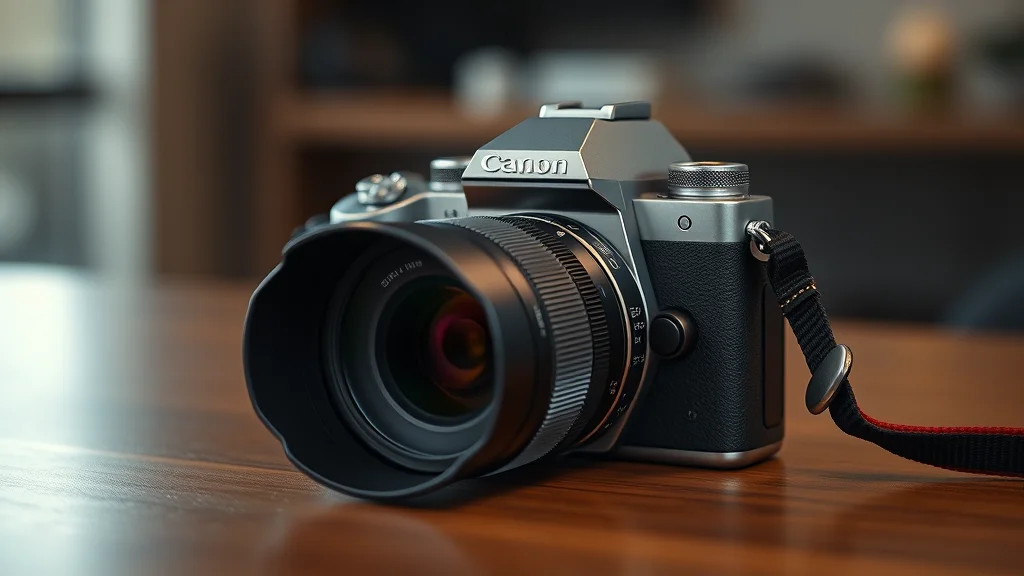
How to Make DSLR Realistic NSFW AI Photos in 2026
To get the tack-sharp DSLR look, run a photoreal SDXL checkpoint (epiCRealism, RealVisXL, Lustify), add lens tags like shot on…
-

How to Make Concept Art Style NSFW AI Art in 2026
To make concept art NSFW AI, prompt concept art, character design, key visual, painterly, loose confident brushwork, cinematic value composition,…
-
How to Make Lineart NSFW AI Art in 2026
To make lineart NSFW AI art, prompt lineart, line art, clean lineart, monochrome, black and white, ink drawing, clean outlines,…
-
How to Make Airbrush NSFW AI Art in 2026
To make airbrush NSFW AI art, prompt airbrush, smooth seamless gradient, soft shading, glossy dewy skin, high sheen, retro airbrush…
-
How to Make Art Nouveau NSFW AI Art in 2026
To make art nouveau NSFW AI art, prompt art nouveau, Alphonse Mucha style, ornamental, flowing organic linework, decorative floral border,…
-
How to Make Gouache NSFW AI Art in 2026
To make gouache NSFW AI art, prompt for gouache, opaque watercolor, matte painting, flat color, poster paint, dry brush on…
-
How to Make Vaporwave NSFW AI Art in 2026
To make vaporwave NSFW AI art, lock a pastel pink, cyan, and purple palette with vaporwave, pastel neon, pink and…
-
How to Make Film Noir NSFW AI Art in 2026
To make film noir NSFW AI art, render true black and white with film noir, monochrome, chiaroscuro, hard shadows, high…
-
How to Make Oil Painting NSFW AI Art in 2026
To make oil painting NSFW AI art, load a painterly SDXL checkpoint, add tags like oil painting, impasto, thick brushstrokes,…
-
NSFW AI Color Grading Prompts: Palette and Film Looks 2026
Color grading prompts control the palette and film look of an image: warm or cool, teal and orange, pastel, muted,…