To make comic NSFW AI art, prompt for bold ink lineart, halftone shading, flat primary colors, dynamic poses, and speed lines, then run an SDXL checkpoint with an American comic LoRA. This is distinct from anime: thicker ink and halftone dots. Keep all subjects adult, fictional, and AI-generated.
Western comic book style is one of the most recognizable looks in adult AI art, and it is consistently confused with anime. They are not the same. American comic art uses thick confident ink outlines, halftone (Ben-Day) dot shading, flat saturated primary colors, exaggerated muscular anatomy, and dynamic action staging. Anime and manga use thinner lines, cel shading or screentone, and a different face-and-body language entirely. This guide gives you the comic-specific keywords, the models that render it, and copy-paste prompts with safe negatives, and it keeps the anime distinction clear throughout.
All subjects are adult, fictional, and AI-generated. Comic stylization exaggerates proportions, so always confirm the figure reads as a clearly grown adult.
Western comic vs anime: the key distinction
This is the section most guides skip, and it is the whole reason your output looks wrong. The differences:
| Trait | Western comic | Anime / manga |
|---|---|---|
| Linework | thick bold ink, variable weight | thinner, even line |
| Shading | halftone dots, hard cross-hatching | cel shading, screentone, soft gradients |
| Color | flat saturated primaries | wider pastel and gradient range |
| Anatomy | exaggerated muscle, heroic build | stylized, often slimmer |
| Faces | angular, realistic-leaning | large eyes, simplified |
| Genre cues | speed lines, action panels, Ben-Day dots | sparkles, blush lines, chibi |
When you prompt, you must actively push the Western signals and suppress the anime ones. The token anime in a comic prompt will sabotage the whole look, so it belongs in your negative.
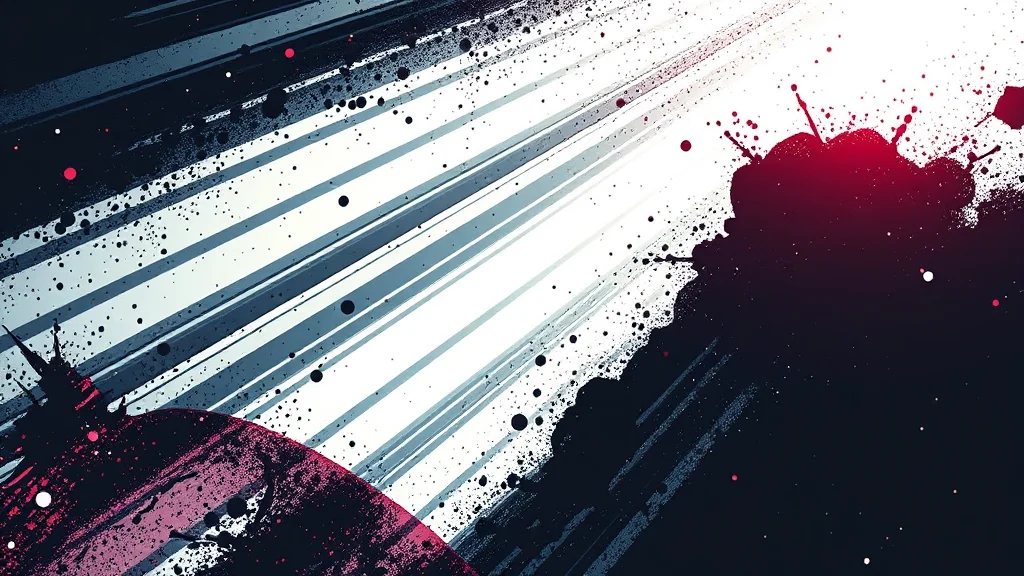
What makes the comic look
- Bold ink lineart: thick black outlines, variable line weight, confident inking.
- Halftone shading: Ben-Day dots, halftone gradient, comic print texture.
- Flat primary color: red, blue, yellow, hard color blocking, minimal blending.
- Dynamic pose and staging: action pose, foreshortening, low or worm’s-eye angle.
- Genre motion cues: speed lines, motion lines, impact burst, dramatic shadow.
The print-texture cues (halftone dots, ink) are what instantly say comic rather than digital illustration.
Best models for this style
You need an SDXL checkpoint that responds to art-style prompting plus a comic LoRA:
- Pony Diffusion V6 XL. Very responsive to style tokens and great for the bold, heroic comic body. See the Pony Diffusion NSFW guide.
- Illustrious XL. Strong linework control; with a Western comic LoRA it produces clean inked output. The Illustrious XL NSFW model guide covers tag syntax.
- General-purpose SDXL checkpoints from the best Stable Diffusion checkpoints for NSFW roundup, which take comic LoRAs well.
The LoRA does the heavy lifting here. Search Civitai for American comic, graphic novel, Ben-Day, or western comic style LoRAs and run them at 0.7 to 0.9 weight. The best NSFW LoRAs list is a starting point, and you can train your own from a panel reference set with the train a NSFW style LoRA guide. Install models via how to install NSFW checkpoints.
You can try our free NSFW generator to test comic prompts before installing anything.
Key prompt keywords
Mix from each column and remember to suppress anime cues.
| Category | Prompt keywords |
|---|---|
| Style anchor | western comic book style, american comic art, graphic novel style, comic book illustration, superhero comic |
| Linework | bold ink lineart, thick black outlines, variable line weight, heavy inking, clean inks |
| Shading | halftone shading, ben-day dots, halftone dots, cross-hatching, hard cel shadow, comic print texture |
| Color | flat primary colors, saturated red blue yellow, hard color blocking, limited palette, vintage comic color |
| Pose and staging | dynamic pose, action pose, foreshortening, low angle, heroic stance, dramatic perspective |
| Motion cues | speed lines, motion lines, impact burst, dynamic shadow, dramatic lighting |
| Adult anchor | adult woman, adult man, mature, muscular, athletic build |
| Quality | highly detailed, sharp inks, clean linework, comic panel |
For ordering these, see the NSFW AI prompt formula.
Lighting and composition
Comic art uses graphic, not photographic, lighting:
- Hard light, hard shadow. Comics use chunky cast shadows and bright highlights, not soft gradients. Prompt
hard cel shadow, dramatic shadow, high contrast. - Dynamic camera.
low angle, foreshortening, dramatic perspectivegives the heroic comic feel. Flat front-on shots look like clip art. - Use the print texture.
halftone dots, comic print textureover the whole image sells the medium more than anything else. - Frame like a panel.
comic panel, dynamic compositionand consider asingle panelframing rather than a full scene. - Limit the palette. Two or three saturated primaries plus black ink reads more authentically than a full-color render.
Example prompts
An adult superheroine in classic Western comic style on Pony or Illustrious:
Positive:
western comic book style, american comic art, 1woman, adult woman, mature,
athletic muscular build, dynamic action pose, foreshortening, low angle,
bold ink lineart, thick black outlines, halftone shading, ben-day dots,
flat primary colors, saturated red and blue, hard cel shadow, speed lines,
dramatic shadow, comic print texture, clean inks, highly detailed,
comic panel

Negative:
child, minor, underage, loli, shota, anime, manga, cel shading, screentone,
large eyes, chibi, soft gradient, photorealistic, lowres, blurry,
bad hands, extra fingers, watermark, text
A gritty graphic-novel (darker, painted-ink) variation:
Positive:
graphic novel style, mature comic illustration, adult man, rugged,
muscular, dramatic standing pose, heavy inking, thick ink outlines,
cross-hatching, halftone shadow, limited muted palette, hard rim light,
dramatic shadow, gritty noir comic, dynamic perspective, sharp inks,
highly detailed

Negative:
child, minor, underage, loli, shota, anime, manga, big eyes, cute,
pastel, soft focus, 3d render, photorealistic, deformed, bad anatomy,
fused fingers, watermark, text
More building blocks live in the NSFW prompt examples library; keep the negative prompt master list handy for the anime-suppression tokens. Run either prompt now in our free generator.
Settings that help
- Sampler: Euler a or DPM++ 2M Karras. Both keep ink edges crisp.
- Steps: 25 to 32. Comic art does not need huge step counts; clean inks matter more than micro-detail.
- CFG: 6 to 8. Higher CFG strengthens the flat color blocking and bold lines.
- Resolution: SDXL 1024 base, then upscale. Use a clean upscaler so halftone dots stay crisp; see the best NSFW upscalers guide.
- Hires fix: 1.4x at denoise 0.3 to 0.4 to avoid softening the inks.
Low VRAM? The best NSFW checkpoints for low VRAM list has comic-capable 8GB options. Comic style is forgiving on smaller cards because flat color hides noise.
Common mistakes
- It comes out anime. The number one failure. Add
anime, manga, cel shading, screentone, large eyes, chibito the negative and pushwestern comic book style, american comic artto the front. Increase your comic LoRA weight to 0.8 to 0.9. - No halftone, so it looks digital. Without
halftone dots, ben-day dots, comic print texture, the result reads as generic illustration. Print texture is the signature of the medium. - Soft gradients. Comics use hard shadow shapes. Remove any
soft lighting, gradientand addhard cel shadow, dramatic shadow. - Muddy color. Too many hues breaks the look. Restrict to two or three saturated primaries with
flat primary colors, limited palette. - Stiff pose. Front-on standing looks like clip art. Use
dynamic action pose, foreshortening, low angle. - Childlike stylization. Exaggerated comic proportions can drift young. Anchor with
adult woman, adult man, mature, muscularand keep the full safety negative. Confirm the figure reads as a grown adult.
A worked example
Want an adult comic femme-fatale in a noir panel. Start with the style anchor and adult subject: western comic book style, adult woman, mature. Add the build and pose: athletic, dynamic pose, low angle, foreshortening. Now the linework and shading: bold ink lineart, thick outlines, halftone shading, ben-day dots. Then the color and mood: limited palette, saturated red and black, hard shadow, dramatic lighting. Finally suppress anime in the negative and add comic print texture. Lock a seed, refine the inks with inpainting, and add explicit content once the style is locked. To sharpen inks and halftone after generation without softening them, run the add detail to NSFW AI images workflow.
Sub-styles within Western comic
Western comic is not one look. Knowing which era or sub-style you want makes your prompts far more precise.
- Golden and Silver Age: bright flat primaries, simple Ben-Day dots, clean optimistic linework, classic superhero. Prompt
vintage comic, golden age comic, ben-day dots, flat primary colors, clean inks. - Modern superhero: heavier rendering, dramatic shadow, more detail, dynamic foreshortening. Prompt
modern comic book art, detailed inking, dramatic shadow, dynamic perspective. - Graphic novel and noir: muted limited palettes, heavy black spotting, cross-hatching, gritty mood. Prompt
graphic novel, noir comic, heavy inking, cross-hatching, muted palette, high contrast. - Pulp and vintage pinup comic: warm retro color, rounded forms, classic poster feel. Prompt
pulp comic, retro comic illustration, vintage print, warm palette.
Decide the sub-style first, because the shading and color tokens differ sharply between them. A noir graphic novel with bright flat primaries looks wrong, and a Golden Age hero with muted cross-hatching loses its pop. The pinup NSFW art guide pairs well with the pulp and vintage comic direction.
Inking and color theory for the comic look
The two things that most separate amateur from convincing comic output are inking discipline and color flatting. Real comic inks have variable line weight: thick on outer contours and shadow sides, thin on interior detail. Prompting variable line weight, thick contour lines, confident inking nudges the model toward this rather than a uniform thin trace. Spotting blacks, meaning solid black shadow shapes rather than gradients, is another signature; heavy black spotting, hard cast shadow produces it.
Color flatting is the comic discipline of filling each shape with a single flat color before adding minimal shading. This is why flat primary colors, hard color blocking, cel shadow works so much better than soft rendering. The traditional comic shadow is a single darker tone of the base color applied in a hard-edged shape, not a smooth gradient. If your output looks airbrushed, you have lost the flatting, so push the flat-color and hard-shadow tokens and lower any soft-lighting language. The halftone dots then sit on top as the print texture that ties it all to the medium.
You can test inking and flatting quickly by fixing a seed in our free generator and toggling the shading tokens between soft and hard to see the difference directly.
Composition and panel framing
Comic art is built for the page, so it carries strong composition conventions. Dynamic camera angles are the default: low hero angles, dramatic foreshortening with a fist or weapon thrust toward the viewer, dutch tilts for tension, and extreme perspective. Front-on standing poses read as clip art and should be avoided. Prompt dynamic action pose, foreshortening, low angle, dramatic perspective, dynamic composition.
You can also lean into the medium with single-panel framing. Adding comic panel, single panel, panel border and even speech bubble (left empty for NSFW work) reinforces that this is a comic, not a generic illustration. Speed lines and impact bursts radiating from the action sell motion and energy. Keep the focal point clear: comic compositions usually have one dominant figure and a simplified or speed-line background rather than a busy detailed scene, which keeps the bold graphic read intact. For precise control over panel layout and a clean separation of figure from background, compose with ControlNet in ComfyUI for NSFW.
Where comic fits among the styles
Western comic is a distinct stylized look that sits apart from anime, painterly, and photoreal output. It overlaps in workflow with the cartoon NSFW art and pinup NSFW art guides, which also rely on bold lines and flat color. For the full range, see the NSFW AI art styles overview, and if you want pass-by-pass control over inks and color flats, build the image in ComfyUI for NSFW.
Push the Western signals, suppress anime, lean on halftone, and keep every figure clearly adult.
A reusable comic prompt template
Consistency across a comic set comes from locking a template and varying only the content. A dependable order is: style anchor, then adult subject and build, then pose and camera, then linework and shading, then color, then motion cues and quality. For example: western comic book style, american comic art, adult woman, mature, athletic muscular build, dynamic action pose, low angle, foreshortening, bold ink lineart, thick black outlines, halftone shading, ben-day dots, flat primary colors, hard cel shadow, speed lines, comic print texture, clean inks, highly detailed.
Keep the style anchor, the print-texture tokens, and the anime-suppression negative constant across every generation. Vary the subject, pose, color scheme, and setting to produce a varied but unified series that reads as pages from one book rather than scattered one-offs. This template discipline is what separates a coherent comic project from a folder of mismatched experiments.
Color schemes that read as comic
Comic color is graphic and intentional, not naturalistic. A few schemes consistently read as the medium. The classic superhero scheme is bold saturated primaries, red, blue, and yellow with strong contrast, which screams Golden and Silver Age. A noir scheme uses near-monochrome with one accent color, such as black, white, and a single red, for dramatic graphic-novel mood. A pulp scheme uses warm retro tones, ochre, teal, and dusty red, for a vintage poster feel.
Whatever scheme you pick, restraint sells it. Three or four colors applied as flat blocks with hard cel shadows look far more authentically comic than a full naturalistic palette with soft gradients. Prompt limited palette, flat color blocking and name your two or three dominant hues explicitly. Test the schemes fast by fixing a seed in our free generator and swapping only the color tokens to see which mood fits your character.
Push the Western signals, suppress anime, lean on halftone, restrain your palette, and keep every figure clearly adult. Test a couple of these prompts in our free generator and you will get a clean American comic look.
Frequently asked questions
What is the difference between comic style and anime style?
Western comic art uses thick bold ink lineart, halftone (Ben-Day) dot shading, flat saturated primary colors, and exaggerated muscular anatomy with angular faces. Anime uses thinner lines, cel shading or screentone, large eyes, and a different body language. To get comic style you must push Western tokens and put anime and manga in your negative prompt.
What prompt keywords create Western comic NSFW art?
Anchor with western comic book style or american comic art, then add bold ink lineart, halftone shading, ben-day dots, flat primary colors, and dynamic action pose. Speed lines and comic print texture complete the look. The halftone and print-texture cues are what most clearly signal the medium.
Why does my comic prompt keep coming out as anime?
Most SDXL checkpoints lean anime by default. Add anime, manga, cel shading, screentone, large eyes, and chibi to your negative prompt, push western comic book style to the front, and raise your comic LoRA weight to 0.8 or 0.9. Without active suppression the model defaults to anime.
Which model and LoRA work best for comic style?
Pony Diffusion V6 XL and Illustrious XL both respond well to style tokens and clean linework. The comic LoRA does the heavy lifting, so use an American comic, graphic novel, or Ben-Day style LoRA from Civitai at 0.7 to 0.9 weight on top of your base checkpoint.
How do I get the halftone dot texture?
Add halftone dots, ben-day dots, and comic print texture to the positive prompt, and use a comic LoRA that was trained on printed comics. The print texture is the single strongest signal of the medium. Upscale with a clean upscaler so the dots stay crisp rather than blurring.
What settings keep comic inks crisp?
Use Euler a or DPM++ 2M Karras at 25 to 32 steps with CFG 6 to 8, which strengthens flat color blocking and bold lines. Generate at SDXL 1024 and upscale with hires fix at about 1.4x and denoise 0.3 to 0.4 to avoid softening the inks and halftone.
Can I make comic NSFW art on a low VRAM card?
Yes. Comic style is forgiving on smaller cards because flat color and bold ink hide noise and minor artifacts well. Several SDXL comic-capable checkpoints run in 8GB. Lower your resolution and batch size, then upscale at the end for the final crisp output.
How do I keep comic characters clearly adult?
Comic stylization exaggerates proportions, so anchor every figure with adult woman or adult man plus mature and muscular or athletic, and keep child, minor, underage, loli, shota in every negative prompt. Confirm the result reads as a grown adult before saving it.
Related guides:
Related style tutorials: