Realistic NSFW AI art looks like a photo and is least forgiving, anime is 2D and hides anatomy errors, and 3D is CGI in between. Use photoreal SDXL checkpoints for realism, Pony or Illustrious for anime, 3D-render LoRAs for CGI. Pick anime to start, realism for believability. Keep all subjects adult, fictional, and AI-generated.
Three styles dominate adult AI image generation: photorealistic, anime or 2D, and 3D CGI render. They are not just different aesthetics, they have different difficulty curves, different models, different prompting approaches, and different hardware demands. Choosing the wrong one for your goal wastes hours. This guide compares all three across every dimension that matters, gives the models behind each, and ends with a clear verdict by use case.
Everything below assumes adult, fictional, AI-generated subjects. Anime and 3D in particular can drift young, so the rule is constant: every figure must read as a clearly grown adult, and the safety negative stays in every prompt.
The three styles at a glance
| Dimension | Realistic (photoreal) | Anime / 2D | 3D / CGI render |
|---|---|---|---|
| Look | photographic, real skin and light | flat or cel-shaded 2D illustration | rendered CGI, game or film look |
| Best models | CyberRealistic, RealVisXL, Juggernaut, Lustify | Pony Diffusion, Illustrious, NoobAI | 3D-render checkpoints and CGI LoRAs |
| Forgiveness | low, every flaw shows | high, abstraction hides errors | medium, smooth surfaces hide some |
| Prompt style | natural language, photo terms | danbooru tags, score tags | mix of tags and render terms |
| Hardware / speed | heavier, more upscaling | lighter, fast | medium to heavy |
| Hands and faces | hardest to get right | easiest | medium |
| Best for | believability, realism | volume, characters, fan styles | game or film CGI aesthetic |
How each style looks
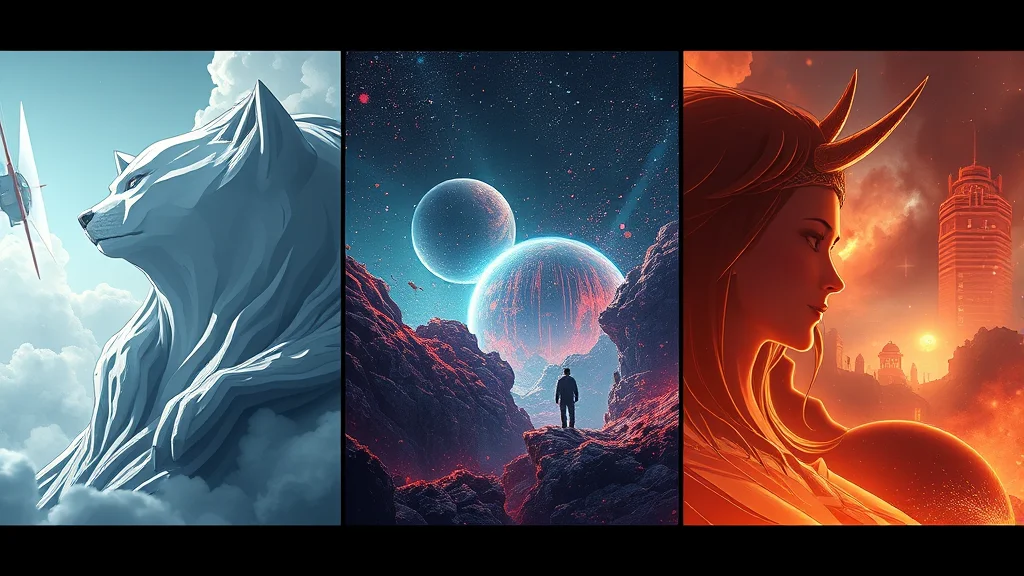
Realistic aims for a photograph: real skin texture with pores, physically plausible light and shadow, accurate depth of field, and natural anatomy. When it works it is indistinguishable from a photo. When it fails, the failures are glaring, since the human eye is expert at spotting wrong skin, lighting, and proportion. For the full deep-dive, see how to make realistic AI porn.
Anime / 2D is illustration: flat color or cel shading, clean lineart, stylized faces, and simplified anatomy. It descends from manga and anime, and the abstraction is a feature. Because the eye does not expect photographic accuracy, anime hides errors that would ruin a realistic image.
3D / CGI render looks like a video-game character or a Pixar-adjacent render: smooth subsurface-scattered skin, rendered lighting, sometimes a slightly plastic or doll-like surface. It sits between anime and realism. For the full workflow, see how to make 3D NSFW AI art.
The models behind each
This is where the practical difference lives.
- Realistic: photoreal SDXL checkpoints. CyberRealistic, RealVisXL, Juggernaut, Lustify, and similar families. These are trained on photographs and respond to natural-language, camera, and lighting terms. Browse the best Stable Diffusion checkpoints for NSFW roundup.
- Anime / 2D: Pony Diffusion V6 XL, Illustrious XL, and NoobAI merges. These are trained on illustration with danbooru-style tags. See the Pony Diffusion NSFW guide and Illustrious XL NSFW model guide.
- 3D / CGI: 3D-render checkpoints and CGI or DAZ-style LoRAs layered on an SDXL base, often a Pony merge for anatomy plus a render LoRA for the surface. The best NSFW LoRAs list has render-style options.
Install any of these with how to install NSFW checkpoints. You can also try our free NSFW generator and switch styles to feel the difference yourself.
Difficulty and forgiveness
This is the most underrated dimension for beginners.
Anime is the most forgiving. Flat shading and stylized anatomy mean a slightly wrong hand or proportion still reads fine, because the whole image is abstracted. You can produce good anime output on your first day. If you are starting out, anime is where you build skill fastest.
Realism is the least forgiving. Photographic skin, lighting, and anatomy must all be correct or the image drops into the uncanny valley. Hands, teeth, eyes, and skin texture are unforgiving. Realism demands better prompting, more inpainting, more upscaling, and more rejected generations per keeper.
3D sits in the middle. Smooth rendered surfaces hide some flaws the way anime does, but rendered lighting and proportion still need to be plausible. Easier than realism, harder than anime.
Prompt approach by style
Each style speaks a different prompt language.
- Realistic uses natural language plus photography terms:
cinematic photo, 85mm, soft window light, shallow depth of field, photorealistic, skin texture. It rewards camera and lighting vocabulary. - Anime uses tags:
score_9, score_8_up, 1girl, masterpiece, best qualityon Pony, or danbooru tags on Illustrious. See the danbooru tags for NSFW AI guide. - 3D mixes both: tag-style subject control plus render terms like
3d render, octane render, subsurface scattering, cgi, detailed shading.
The NSFW AI prompt formula covers the structure that applies across all three, and the negative prompt master list has style-appropriate negatives.
Example prompts
Realistic:
Positive:
cinematic photo, adult woman, 26 years old, natural skin texture,
soft window light, shallow depth of field, 85mm, photorealistic,
highly detailed, sharp focus, film grain

Negative:
child, minor, underage, loli, shota, cartoon, anime, 3d render,
plastic skin, deformed, bad hands, extra fingers, watermark, text
Anime / 2D:
Positive:
score_9, score_8_up, masterpiece, best quality, 1girl, adult woman,
solo, detailed face, cel shading, vibrant color, dynamic pose,
highly detailed, sharp lineart

Negative:
child, minor, underage, loli, shota, photorealistic, 3d, blurry,
bad anatomy, extra fingers, fused fingers, watermark, text
3D / CGI render:
Positive:
3d render, cgi, adult woman, mature, subsurface scattering skin,
octane render, detailed shading, soft studio lighting, game character,
highly detailed, sharp focus, 8k

Negative:
child, minor, underage, loli, shota, flat anime, 2d, photorealistic photo,
plastic, deformed, bad hands, extra fingers, watermark, text
More building blocks live in the NSFW prompt examples library. Try each style now in our free generator.
Hardware and speed
- Anime is the lightest. SDXL anime models run fast and need less aggressive upscaling because flat color is cheap to render and hides noise. Great on 8GB cards. See best NSFW checkpoints for low VRAM.
- Realism is the heaviest in practice, not because the model is bigger but because you generate more candidates, inpaint more, and upscale harder to chase photographic detail. Plan for more passes.
- 3D is medium. The render look benefits from upscaling but tolerates fewer passes than realism.
For any style, a good upscale pass improves the final result; see the best NSFW upscalers guide. For full pipeline control on any of the three, ComfyUI for NSFW is the most flexible.
Which to pick: verdict by use case
- Just starting out: anime. Fastest results, most forgiving, lightest hardware. Build skill here, then branch out.
- You want believability: realistic. It is the hardest and slowest, but nothing else passes as a real photo. Budget more time per keeper and read the realistic AI porn deep-dive.
- You want a game or film CGI look: 3D. The rendered aesthetic is distinctive and more forgiving than realism while staying out of flat 2D. See the 3D NSFW art guide.
- High volume and consistent characters: anime. Tag-based control and forgiveness make it the easiest to produce large consistent sets.
- Low VRAM card: anime first, then 3D. Realism is doable but slowest on limited hardware.
Many creators mix styles depending on the piece, and you can switch base checkpoints in the same workflow. If you are exploring the broader catalog of looks beyond these three, the NSFW AI art styles overview maps the full range, including painterly, comic, fantasy, and cyberpunk variations that layer on top of these three foundations.
Common mistakes across all three
- Wrong model for the style. Trying to force photoreal output from an anime checkpoint, or anime from a photoreal one, fights the training. Match the model to the style first.
- Mixing conflicting tokens.
photorealisticplusanimeplus3d renderin one prompt produces mush. Commit to one style and put the other two in the negative. - Underestimating realism. Beginners pick realism, get uncanny results, and quit. Start with anime, build prompting skill, then attempt realism.
- Childlike drift. Anime and 3D both default young on some models. Always anchor with
adult woman, adult man, mature, keepchild, minor, underage, loli, shotain every negative, and confirm the figure reads as a grown adult. This applies to all three styles without exception.
A closer look at the difficulty curve
Understanding why each style is easy or hard helps you set expectations and avoid frustration. The difficulty comes down to how much the human eye scrutinizes the result.
With anime, the viewer accepts abstraction. Nobody expects an anime character to have photographically correct skin pores or perfectly anatomical hands, so the brain forgives simplifications. A flat-shaded hand with slightly wrong proportions still reads as a hand because the entire image operates on stylized conventions. This forgiveness is why a newcomer can produce shareable anime output on day one, and why anime dominates high-volume generation.
Realism removes that forgiveness entirely. The moment an image signals photograph, the viewer’s brain switches into face-and-body recognition mode, the most refined visual skill humans have. Skin that is too smooth, eyes that point slightly wrong, teeth that blur, or a hand with a subtly off thumb all trigger the uncanny-valley alarm. You are not just making an image, you are passing a perceptual test that the eye is specifically evolved to fail you on. This is why realism needs more candidates per keeper, heavier inpainting on hands and faces, and aggressive upscaling to build believable skin texture.
3D occupies a deliberate middle ground. The rendered, slightly artificial surface tells the viewer up front that this is CGI, not a photo, so the brain relaxes its scrutiny the way it does with a video game. Smooth subsurface-scattered skin hides flaws that would sink a photoreal render, while rendered lighting and plausible proportion still need care. It is meaningfully easier than realism and meaningfully harder than anime.
Post-processing differs by style
The three styles also demand different finishing work, which affects total time per image. Realism leans hardest on post: face and hand inpainting, skin-detail passes, and high-factor upscaling to add the pores and micro-texture that sell a photo. Plan for a multi-step pipeline. The add detail to NSFW AI images and best NSFW upscalers guides are most relevant to realism.
Anime needs the least post-processing. A clean generation often only wants a light upscale to sharpen lineart, and the flat color survives upscaling cleanly. 3D sits in between, benefiting from an upscale to crisp the rendered detail and an occasional inpaint, but rarely needing the obsessive face work realism demands. Factoring post-processing in, the real time-per-keeper ordering is anime fastest, 3D moderate, realism slowest, often by a wide margin.
Mixing styles and hybrid looks
You are not locked into one style forever, and some of the most interesting output blends them. A common hybrid is 2.5D, which keeps anime faces and proportions but adds 3D-style rendered lighting and subsurface skin for a semi-real anime look. Another is semi-real, which pulls a photoreal checkpoint partway toward illustration with a stylize LoRA for a painterly-photographic blend. These hybrids can capture the forgiveness of anime with some of the believability of realism.
The key discipline when blending is to lead with one style and add a touch of another, rather than weighting all three equally. Equal weighting produces mush. Pick a base checkpoint that defines the primary style, then nudge with a LoRA at modest weight toward the secondary flavor. If you are exploring these blends and the many aesthetics that layer on top of the three foundations, the NSFW AI art styles overview maps the full landscape, and you can audition base checkpoints quickly in our free generator.
Pick the style that matches your goal and your hardware, match the model to it, and you will spend your time creating instead of fighting the tool.
How each style handles NSFW content specifically
The three styles also differ in how they handle explicit content, which matters for adult work. Anime models like Pony Diffusion and Illustrious were trained on large illustration datasets that include explicit material, so they are highly capable and very prompt-obedient with tag-based control over poses and content. The forgiveness of the style means explicit anatomy renders cleanly without the uncanny pitfalls of realism. This combination of capability and forgiveness is a major reason anime dominates NSFW AI generation.
Realism is capable on the right checkpoints but demands more care, because explicit photoreal anatomy is exactly where the uncanny valley bites hardest. Hands interacting with the body, anatomical accuracy, and skin under varied lighting all need inpainting and multiple passes. The payoff is unmatched believability when it works, but the cost is time and rejected generations. 3D handles explicit content with a rendered, smooth quality that hides some anatomical imperfection, sitting again between the other two, and it suits creators who want explicit material with a stylized CGI distance from photorealism.
Across all three, the same rules apply without exception: every figure must be adult, fictional, and AI-generated, the adult anchor stays in the positive prompt, and the safety negative stays in every generation. Style never changes the content boundaries.
Quick decision guide
If you are still unsure, answer two questions. First, what is your priority: speed and volume, believability, or a distinctive rendered look. Speed and volume points to anime, believability to realism, and a rendered game-or-film aesthetic to 3D. Second, what is your hardware and patience budget. Limited VRAM or limited time points to anime, while a strong card and willingness to do multi-pass finishing opens up realism. Most creators are best served starting with anime to build skill and a library, then branching into 3D for variety, and finally tackling realism once their prompting and inpainting skills are sharp. Open our free generator and compare all three on the same prompt to feel the difference firsthand before you commit a workflow.
Frequently asked questions
What is the difference between realistic, anime, and 3D NSFW AI art?
Realistic aims for a photograph with real skin and light, anime is flat or cel-shaded 2D illustration, and 3D is a CGI render that looks like a game or film character. They use different models, different prompt languages, and have different difficulty levels. Realism is the least forgiving and anime is the most forgiving of flaws.
Which style is easiest for a beginner?
Anime is by far the easiest. Flat shading and stylized anatomy hide errors that would ruin a realistic image, so a slightly wrong hand or proportion still reads fine. It also runs fast on modest hardware. Start with anime to build prompting skill, then branch into 3D or realism.
Which models do I use for each style?
Use photoreal SDXL checkpoints like CyberRealistic, RealVisXL, or Juggernaut for realism, Pony Diffusion or Illustrious for anime, and 3D-render checkpoints or CGI LoRAs on an SDXL base for the 3D look. Matching the model to the style is the most important choice, since the training determines the output.
Why is realistic NSFW art so hard to get right?
The human eye is expert at spotting wrong skin, lighting, and proportion, so any flaw in a photoreal image drops it into the uncanny valley. Hands, teeth, eyes, and skin texture are unforgiving. Realism demands better prompting, more inpainting, more upscaling, and more rejected generations per keeper than anime or 3D.
Do the three styles prompt differently?
Yes. Realistic uses natural language plus photography terms like 85mm and soft window light. Anime uses tags such as score_9 on Pony or danbooru tags on Illustrious. 3D mixes tag-style subject control with render terms like octane render and subsurface scattering. Mixing the three styles in one prompt produces mush.
Which style is best for low VRAM hardware?
Anime is the lightest and fastest because flat color is cheap to render and hides noise, making it ideal for 8GB cards. 3D is medium. Realism is technically doable on limited hardware but is the slowest in practice because it needs more candidates, inpainting, and upscaling per usable image.
Can I combine these styles or switch between them?
Yes. You can switch base checkpoints in the same workflow, and many creators pick a different style per piece. Layered aesthetics like cyberpunk, fantasy, comic, and painterly looks sit on top of these three foundations. Just avoid mixing conflicting style tokens in a single prompt.
How do I keep characters clearly adult across all three styles?
Anime and 3D both default young on some models, so anchor every figure with adult woman or adult man plus mature, and keep child, minor, underage, loli, shota in every negative prompt regardless of style. Always confirm the result reads unmistakably as a grown adult before saving it.
See also:
Related guides: