Mood and atmosphere prompts set the whole-image feeling: intimate, moody, dreamy, cinematic, tense. They are distinct from lighting, which is light physics, and setting, which is place. Mood tags steer the emotional read through vocabulary and atmospheric effects like haze, bokeh, and film grain. Layer them under your lighting and color choices, weight them modestly, and do not let a heavy mood tag wash out the subject.
What mood prompts control and why they are their own layer
Mood is the feeling the whole frame gives off before a viewer reads any single detail. It is the answer to what does this image feel like, not what is in it. That makes it a different axis from the two things people constantly confuse it with. Lighting is physics: where the light comes from, how hard or soft it is, its color temperature. Setting is place: bedroom, alley, studio, forest. Mood sits above both and colors how they read. The same bedroom under the same soft light feels intimate with one set of mood tags and melancholic with another.
Because mood is an emergent property, mood tags work by suggestion rather than by drawing a specific object. When you write moody, sensual, or dreamy, the model reaches for the lighting patterns, color casts, compositions, and atmospheric effects it learned to associate with that word, and it biases the whole render in that direction. This is powerful and also slippery, which is why mood tags reward a light touch and punish overweighting. A mood word is a nudge to the whole image, not a switch, and treating it like a switch by cranking the weight is the fastest way to get a muddy, over-processed result.
The practical payoff: mood is the fastest way to change the emotional temperature of a scene without touching subject, pose, or place. Keep it as a deliberate slot in your prompt and you can shoot the same character in the same room and get intimate, tense, or dreamy on demand. This pairs naturally with the prompt formula approach of assigning each idea to a fixed slot, so your mood word always lives in the same place and you can swap it cleanly.
One more distinction worth holding onto: mood is not the same as facial expression either. Expression is one person’s emotion on their face. Mood is the emotional weather of the entire frame, carried by light, color, atmosphere, and composition together. A character can smile inside a melancholic image, and the tension between the two can be exactly the effect you want.

The copy-paste mood and atmosphere tag bank
Grouped so you can grab one mood word plus one or two supporting atmospheric effects.
Core mood vocabulary
intimate, sensual, romantic, tender, loving
moody, sultry, seductive, smoldering, mysterious
playful, flirtatious, teasing, lighthearted, carefree
dominant tone, submissive tone, charged, tense, anticipation
melancholic, wistful, longing, dreamy, ethereal
cinematic, dramatic, epic, editorial, high fashion mood
raw, candid, vulnerable, quiet, still, contemplative
A note on the dominant and submissive tags: use them as tonal descriptors for the overall energy of the image, the way you would say a photo feels commanding or yielding. They steer atmosphere and body language, not acts.
Atmospheric effects
haze, atmospheric haze, smoky atmosphere, steam, mist, fog
bokeh, dreamy bokeh, soft focus, shallow depth of field, blurred background
film grain, analog grain, subtle grain, hazy glow, soft diffusion
lens flare, light leaks, dust particles in the air, backlit haze
low contrast, high contrast, faded, muted atmosphere, glowing rim
Mood by intensity (dial these up or down)
soft romantic mood, warm tender atmosphere
charged sensual tension, heavy sultry atmosphere
dark moody ambiance, brooding atmosphere
bright playful energy, airy carefree feeling
dreamlike hazy atmosphere, surreal soft mood
quiet intimate stillness, vulnerable raw honesty
Think of the first block as the noun, the second as the texture, and the third as ready-made combinations when you do not want to assemble your own. Most strong prompts use one word from the first block, one effect from the second, and let the lighting and color carry the rest.
Reference grid: mood to supporting tags to example use
| Mood | Supporting tags | Lighting that helps | Example use |
|---|---|---|---|
| Intimate | soft focus, warm haze, shallow depth of field | soft window light, candlelight | close bedroom scene |
| Sultry | low contrast, smoky atmosphere, film grain | low key, single warm source | evening boudoir |
| Dreamy | dreamy bokeh, hazy glow, soft diffusion | backlight, golden hour | ethereal soft-erotica |
| Moody | high contrast, atmospheric haze, muted | hard side light, shadow | brooding portrait |
| Playful | bright, airy, clean background | natural daylight | flirtatious pin-up |
| Tense | charged, dark, dust particles | harsh directional light | anticipation, standoff |
| Melancholic | faded, low saturation, soft rain | flat overcast light | wistful, quiet mood |
| Cinematic | film grain, lens flare, teal and orange | motivated practical light | film-still look |
Use this to pair a mood with lighting and atmosphere that reinforce rather than contradict it. The right-hand columns are the important part: mood tags only deliver when the light and effects agree with them. A moody tag over bright flat daylight is a contradiction the model cannot resolve, so it defaults to whichever tokens are stronger and your mood evaporates.
Full example prompts
Intimate and warm
Positive:
cinematic photo of an adult couple close together, (intimate mood:1.2), tender, (soft focus:1.1),
warm atmospheric haze, shallow depth of field, soft window light, candlelight, film grain,
85mm, cozy bedroom, muted warm palette
Negative:
harsh flat lighting, clinical, oversaturated, busy background, cold blue tone, sharp clinical detailThe mood tag is only at 1.2. It does not need to be loud, it needs the haze, soft focus, and warm light to agree with it, and together they carry the feeling. Notice how many tokens are quietly reinforcing intimate: warm haze, candlelight, cozy bedroom, muted palette. The mood word names the target and the supporting tags actually hit it.
Dark and sultry
Positive:
moody portrait of an adult woman, (sultry atmosphere:1.2), smoldering, smoky atmosphere,
low contrast, film grain, low key lighting, single warm source, deep shadows, editorial, cinematic
Negative:
bright, flat, cheerful, high key, clean digital look, oversaturated, washed outDreamy and ethereal
Positive:
dreamy portrait of an adult woman, (ethereal mood:1.2), dreamlike hazy atmosphere,
dreamy bokeh, soft diffusion, backlit haze, golden hour, pastel palette, soft romantic feeling
Negative:
hard shadows, high contrast, gritty, harsh, clinical sharpness, dark and heavyNotice each example pairs the mood with a color and lighting direction. Mood almost never works alone, and every one of these prompts spends most of its tokens on the supporting layer rather than on the mood word itself.
Common failure modes and the fix
Mood tags fight the lighting. You asked for intimate but the lighting tags say hard flash, and the result reads clinical no matter how high you weight the mood word. Mood cannot override contradictory physics. The fix is to make the lighting agree. Choose lighting that already carries the feeling, then let the mood tag reinforce it. The lighting prompts guide is the companion page here, and the two should always be chosen together.
Over-stylization washes out the subject. Crank haze, grain, soft focus, and bokeh all at once and the person disappears into a foggy smear. Atmosphere should frame the subject, not bury her. The fix is restraint: pick one or two atmospheric effects, not five, and keep their weights modest. If the face is going soft, pull soft focus down and run a detail pass so the subject stays sharp against the atmosphere.
Mood tag does nothing. You wrote moody and the image looks neutral. Usually the mood word is drowned by stronger, more concrete tokens elsewhere, or it has no supporting atmosphere to express itself through. Weight it up a little, add a supporting effect like film grain or low contrast, and align the color and light. A lone mood word with nothing to lean on is easy for the model to ignore.
Every image feels the same despite different mood tags. If your lighting and color are locked to one look, swapping the mood word alone will not move much, because mood expresses itself through light and color. Change the supporting layer along with the word. This is exactly why mood, lighting, and color are treated as a trio.
Mood collapses the color palette. A heavy moody or muted tag can desaturate the whole frame into grey mud. If that is not what you want, pair the mood with an explicit palette from the color grading prompts so the image keeps intentional color instead of defaulting to flat.
Atmospheric haze eats the background detail you wanted. Sometimes you want mood and a legible environment. Heavy haze or fog erases the setting. Pull the haze weight down and confine it with light haze in the background so the foreground subject and the key environment stay readable while the mood still lands.

How mood interacts with lighting and color
Think of three stacked dials. Lighting sets the physics, color grade sets the palette, and mood is the word that tells the model which combination of the two to reach for. When all three agree, the image has a strong, unmistakable feeling. When they disagree, the strongest concrete tokens win, and mood, being the most abstract of the three, usually loses.
So the workflow is: pick the mood you want, then choose lighting that naturally produces that mood, then choose a color grade that matches. Intimate wants soft warm light and a warm muted palette. Tense wants hard directional light and a cold or high-contrast grade. Dreamy wants backlight and pastels. You are not fighting the tools, you are stacking them so they point the same way. The color grading and scene and action guides are the two siblings that complete this stack, and camera choice matters too, since a camera angle can push a scene from candid to dramatic on its own.
A useful mental test before you generate: read your prompt and ask whether the lighting, the color, and the mood word are all describing the same emotional target. If two agree and one disagrees, the odd one out is what you fix, and it is almost always faster to change the disagreeing tag than to fight it with weight. This single habit resolves most mood failures before they happen.
Keeping mood consistent across a set
A set with a wandering mood feels like it was shot by three different people. To hold the feeling steady, treat mood as part of your locked style block, exactly like a color grade.
First, fix the mood and atmosphere tags as a unit and copy them verbatim into every prompt in the set. Same mood word, same one or two effects, same weights. Consistency of the atmosphere layer is what makes a series feel authored rather than assembled from random rolls.
Second, keep lighting and color consistent with the mood across every image, since those are what actually express it. If you shift the light from soft warm to hard cold between frames, the mood changes even with identical mood tags. The consistent photo set workflow covers holding these steady.
Third, if you want a mood arc across a narrative set, from playful to charged to intimate, change the mood and its supporting effects together and deliberately, one step at a time, so the progression reads as intentional rather than accidental drift. A deliberate arc is a feature. A random wobble is a defect, and the only difference between them is whether you controlled the supporting layer alongside the word.
Finally, review the set as a strip. Mood consistency, like color, is only visible in comparison. If one frame reads bright and clinical among a moody set, adjust its lighting and grade to match rather than rerolling the whole thing.
Building a mood from scratch, step by step
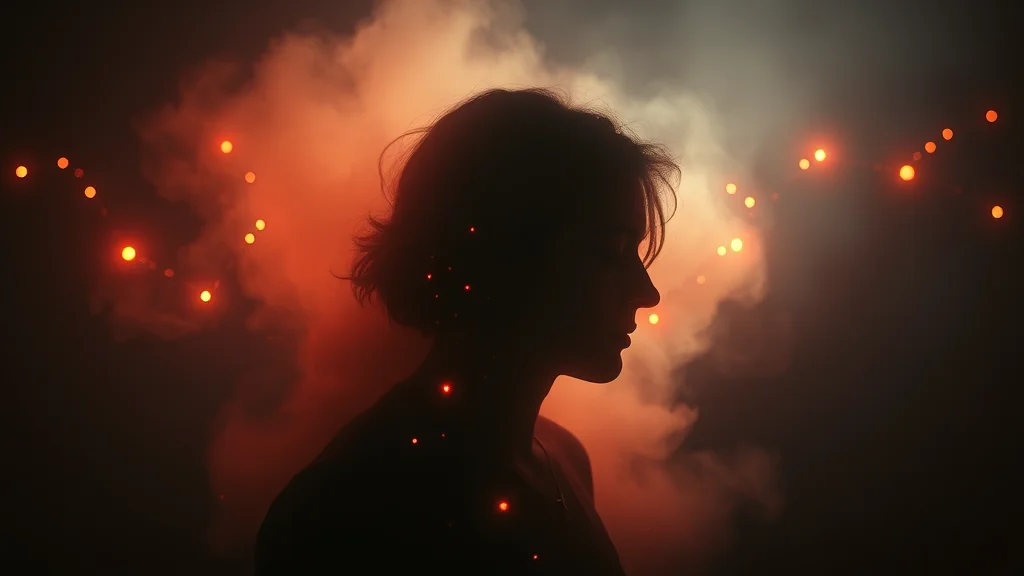
When a mood is not coming together, build it in layers rather than throwing every tag at the wall. Start with the mood word alone at a modest weight and generate. This tells you the model’s baseline interpretation of the word, which is your starting point. Then add the lighting that naturally carries that mood and regenerate, and you will usually see the feeling snap into focus, because the light is where mood actually lives. Only then add one atmospheric effect, haze or grain or soft focus, and a matching color direction. Adding one layer at a time means that when something breaks, you know exactly which tag caused it.
This stepwise approach also teaches you your checkpoint’s vocabulary. Every model reads mood words slightly differently, and sultry on one checkpoint is moody on another. Building up from a single word lets you learn what each term does on the model you actually use, which is knowledge no tag bank can give you because it is specific to your setup. Keep a short note of the mood words that reliably land on your main checkpoint, and reach for those first.
The reverse skill is subtraction. When an image is over-moody, an unreadable dark smear, do not add a brightness tag and hope. Remove the heaviest atmosphere effect first, then lower the mood weight, then reconsider the lighting. Most over-processed mood failures are caused by one tag doing too much, and pulling that single tag out fixes more than piling on counter-tags ever will. The prompt formula guide is useful here because a fixed slot order makes it obvious which tag to pull, and pairing mood with an intentional palette from the color grading prompts stops the subtraction from flattening the whole image to grey.
Where to go next
Mood is the top dial in the atmosphere stack, and it only pays off with the layers beneath it. Pair it with the lighting prompts for the physics, the color grading prompts for the palette, and the setting prompts for the place the mood lives in. When you are staging interactions, the scene and action prompts build on the same formula, and the prompt formula guide ties every slot together.
Frequently asked questions
What is the difference between mood prompts and lighting prompts?
Lighting is physics: where light comes from, how hard or soft it is, and its color temperature. Mood is the overall emotional feeling of the frame, like intimate or tense. Mood tags work by suggestion and lean on the lighting to express themselves, so the two should always be chosen together rather than treated as the same thing.
Why does my mood tag seem to do nothing?
A mood word is abstract, so it gets drowned out by stronger concrete tokens or has no supporting atmosphere to express itself through. Weight it up slightly, add a supporting effect like film grain or low contrast, and align the lighting and color to match the mood. A lone mood word with nothing to lean on is easy for the model to ignore.
How do I stop atmospheric effects from washing out my subject?
Do not stack haze, grain, soft focus, and bokeh all at once, since together they bury the person in a foggy smear. Pick one or two effects at modest weights so the atmosphere frames the subject rather than hiding it. If the face is going soft, pull soft focus down and run a detail pass to keep the subject sharp against the atmosphere.
Can I use dominant and submissive as mood tags?
Yes, as tonal descriptors for the overall energy of the image, the way you would say a photo feels commanding or yielding. They steer the atmosphere and body language of the frame, not specific acts. Treat them as one input among your mood vocabulary and support them with matching lighting and composition.
Why do all my images feel the same even when I change the mood word?
Mood expresses itself through lighting and color, so if those stay locked to one look, swapping only the mood word moves very little. Change the supporting layer along with the word: adjust the lighting direction and the color grade to match the new mood. That is why mood, lighting, and color are best treated as a trio.
How do I keep a consistent mood across a photo set?
Fix your mood and atmosphere tags as a unit and copy them verbatim into every prompt, same word, same effects, same weights. Keep lighting and color consistent across frames too, since those are what actually express the mood. Review the set as a strip to catch any frame that reads off, and fix it by matching its light and grade.
Why does a moody tag turn my whole image grey?
Heavy moody or muted tags can desaturate the frame into flat grey mud because the model associates them with low saturation. If you want to keep intentional color, pair the mood with an explicit palette from a color grading prompt so the image holds its colors instead of collapsing. Lower the mood weight if it is still dominating.
How do mood, lighting, and color grade work together?
Think of three stacked dials: lighting sets the physics, color grade sets the palette, and mood is the word telling the model which combination to reach for. When all three agree the feeling is strong and unmistakable. When they disagree, the concrete tokens win and the abstract mood tag loses, so stack them to point the same way.
Related photo how-tos:
Related scene how-tos: