Lighting is the single biggest lever for mood and realism in NSFW AI images. Soft window light reads gentle and intimate, hard shadow reads dramatic, golden hour reads warm, neon reads modern. Add a film or photo modifier and a baseline safety negative, and tasteful adult scenes gain instant depth. All subjects here are adult, fictional, AI characters.
Most flat, plastic looking AI renders are not a checkpoint problem. They are a lighting problem. The model gave you exactly what you asked for, which was nothing about light, so it defaulted to even, ambient, lifeless illumination. Once you start naming light direction, quality, and color temperature, the same prompt and the same checkpoint produce images that look photographed rather than generated. This guide is a practical lighting vocabulary for adult AI work, with copy-paste recipes per model and a comparison table you can keep open while you build.
Throughout this guide every example describes an adult (18 and over), fictional, AI-generated character. Every prompt carries baseline safety negatives. Lighting never changes who the subject is, so the same rules apply: adults only, no real person’s likeness, no minor or minor-appearing subjects. Tasteful adult work is about craft, and light is the most under used craft tool in most prompt libraries.
Why lighting decides realism
The human eye reads a scene through light before it reads anything else. Direction tells you where the sun or lamp sits. Quality (soft versus hard) tells you how big the light source is relative to the subject. Color temperature tells you the time of day and the emotional register. When all three are unspecified, diffusion models average across their training data and you get a washed, frontlit look that screams synthetic.
The fix is to treat light as a first-class subject in the prompt. You are not just describing a person, you are describing the photograph of that person. Photographers think in terms of key light, fill light, and rim light. The key is the main source that defines the shape of the face and body. The fill softens the shadows the key creates. The rim sits behind the subject and traces a bright outline. You can borrow all three ideas without any technical jargon by simply naming the look you want, and the model will reconstruct the physics for you.
This matters more in adult work than in almost any other genre, because skin is the hardest surface for a model to render convincingly. Flat light makes skin look like rubber. Directional light reveals the subtle gradients, pores, and highlights that read as real human skin. So the realism payoff from good lighting is even larger here than it is for landscapes or product shots.
If you are still nailing down the core of your prompt before adding light, our NSFW AI prompt formula covers subject, setting, and structure first. Lighting sits on top of that foundation, not in place of it.
The core lighting vocabulary
Here are the terms that actually move the needle, grouped by what they do. Learn this short list and you can build almost any mood.
Soft light
Soft light comes from a large source: a window, an overcast sky, a softbox. It wraps around the subject, fills in shadows, and flatters skin. Use it for gentle, intimate, editorial moods. It is the most forgiving light and the easiest to get right. Keywords: soft lighting, soft window light, diffused light, softbox lighting, overcast, gentle shadows.
Hard light and hard shadow
Hard light comes from a small or distant source: direct sun, a bare bulb, a spotlight. It carves sharp shadows and adds drama and texture. Use it for bold, sculptural, high-contrast scenes. It is harder to control because it can blow out highlights, but it produces the most striking figure work. Keywords: hard light, hard shadows, dramatic shadows, high contrast lighting, chiaroscuro, directional sunlight.
Rim light and backlight
Rim light sits behind the subject and traces a bright outline around hair and shoulders. It separates the figure from the background and adds a premium, cinematic feel. Backlight is the broader category where the main source is behind the subject, often producing a glow or silhouette. Keywords: rim lighting, backlight, backlit, edge light, hair light, glowing outline.
Golden hour
Golden hour is the warm, low, directional light just after sunrise or before sunset. It is the most universally flattering light in photography because the low angle sculpts the figure while the warm color soothes skin tones. Keywords: golden hour, warm sunlight, sunset light, low sun, warm rim light, long shadows.
Neon and colored light
Neon and colored gels read modern, nightlife, and stylized. Magenta and cyan combinations are the signature cyberpunk look, while a single saturated hue reads more like a club or a mood lit interior. Keywords: neon lighting, neon glow, colored gel lighting, magenta and cyan light, night city light, reflective highlights.
Candlelight and practical light
Candlelight and lamps inside the frame (practicals) read warm, intimate, and grounded. They justify the warm tone and create natural falloff, where the light fades realistically as it moves away from the source. Keywords: candlelight, warm candlelight, lamp light, firelight, practical lighting, soft falloff.
Studio light
Studio light is controlled and clean: a key, a fill, and often a rim, against a seamless backdrop. It reads professional and editorial, and it is the safest choice when you want polish over atmosphere. Keywords: studio lighting, three point lighting, beauty dish, clean studio backdrop, soft key light.
Lighting comparison table
| Lighting style | Mood it creates | Best for | Realism boost | Key tokens |
|---|---|---|---|---|
| Soft window light | Gentle, intimate | Boudoir, editorial | High | soft window light, diffused |
| Hard shadow | Dramatic, bold | Sculptural figure work | High | hard light, dramatic shadows |
| Rim light | Premium, cinematic | Separation from background | Very high | rim lighting, backlit |
| Golden hour | Warm, romantic | Outdoor, lifestyle | Very high | golden hour, warm sunlight |
| Neon | Modern, nightlife | Stylized, cyberpunk | Medium | neon glow, magenta and cyan |
| Candlelight | Warm, intimate | Cozy interiors | Medium | candlelight, warm tone |
| Studio | Clean, professional | Polished portraits | High | studio lighting, three point |
Film and photo style modifiers
Lighting sets the scene, but photographic modifiers sell the realism. These tell the model to imitate a camera and a film stock rather than a digital painting. They are the difference between an image that looks rendered and one that looks captured.
cinematic lightingpushes contrast and color grading toward a film look.35mm film grainandanalog filmadd the subtle texture that breaks the plastic AI sheen.editorial photographyandfashion editorialpull toward magazine polish.shot on film,Kodak Portra,shallow depth of field, andbokehreinforce a real-camera feel.8k,ultra detailed, andsharp focusraise micro-detail, but use them sparingly so they do not fight the film grain.
A good combo is one lighting term, one film stock or grain term, and one mood term. More than that and the prompt starts pulling in opposite directions, because the model tries to satisfy a sharp 8k look and a grainy analog look at the same time. For photoreal work specifically, our guide to realistic AI results pairs well with these modifiers, and the negative prompt side is covered in our negative prompt master list.
Copy-paste recipes per model
Each recipe targets a tasteful adult scene. All subjects are adult, fictional, AI-generated characters. Adjust the bracketed subject to your own concept. Every negative line carries the baseline safety tokens. Change one lighting term at a time so you learn what each token does on your model.
Pony Diffusion: soft intimate boudoir
score_9, score_8_up, score_7_up, 1girl, adult woman, 25 years old, fictional character,
relaxed pose on bed, soft window light, diffused morning light, gentle shadows,
warm skin tones, shallow depth of field, editorial photography, photorealistic
Negative: child, minor, underage, loli, shota, bad anatomy, lowres, watermark,
blurry, extra limbs, deformed hands, cartoon
For more on Pony specific scoring tags and how they interact with lighting, see our Pony Diffusion guide.
Illustrious / Anime: neon nightlife
masterpiece, best quality, 1girl, adult woman, mature, fictional character,
standing by window at night, neon glow, magenta and cyan light, rim lighting,
reflective highlights, cinematic, detailed eyes
Negative: child, minor, underage, loli, shota, worst quality, lowres, bad hands,
extra digits, watermark, signature, blurry
If you build a lot in this style, our Illustrious model guide and Danbooru tags reference help you get the syntax right.
SDXL realistic: golden hour outdoor
photo of an adult woman, 28 years old, fictional AI character, outdoors at sunset,
golden hour, warm sunlight, soft rim light, 35mm film, analog film grain,
shallow depth of field, natural skin texture, sharp focus
Negative: child, minor, underage, loli, shota, plastic skin, oversaturated,
lowres, deformed, extra limbs, watermark, text
Flux: studio editorial
Editorial portrait of an adult fictional woman, late twenties, in a photography
studio, three point lighting with a soft key and a bright rim light, clean grey
backdrop, shot on film, shallow depth of field, refined and tasteful.
Negative cue: child, minor, underage, loli, shota, keep the subject clearly
adult, no deformed anatomy, no watermark.
Flux reads natural language better than tag soup, so describe the lighting in plain sentences rather than comma separated tags. Our Flux NSFW guide explains why phrasing differs on that model and how its negative handling works.
Candlelight interior (any photoreal checkpoint)
photo of an adult fictional woman, 30 years old, seated in a dim room,
warm candlelight, single practical light source, soft falloff into shadow,
intimate mood, film grain, cinematic color grade, detailed skin
Negative: child, minor, underage, loli, shota, harsh flash, blown highlights,
lowres, bad anatomy, watermark, text
Ready to test these? Drop a recipe into our free generator and change one lighting term at a time to see exactly how each one shifts the mood.
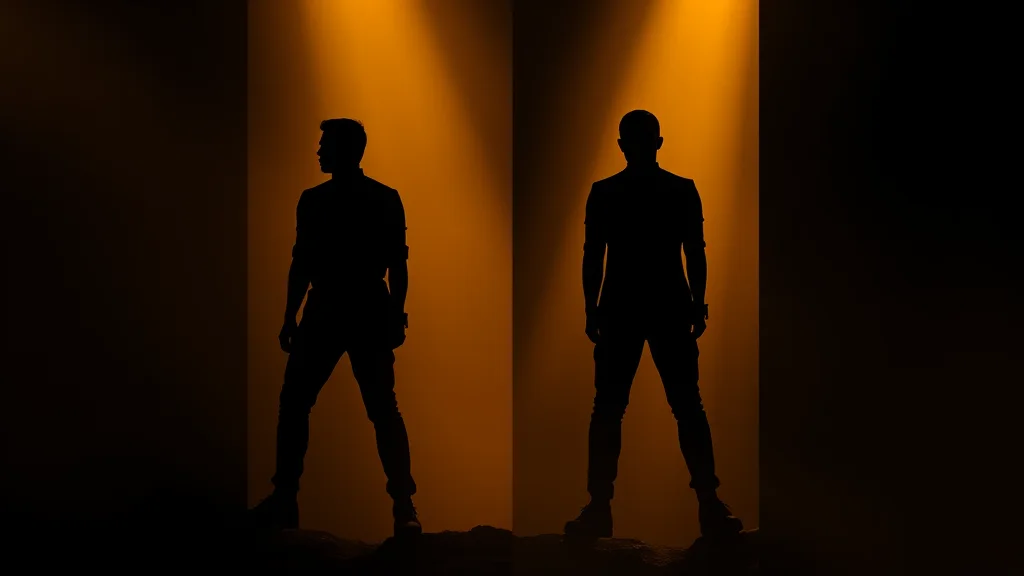
How to layer light direction
Real photographs usually have a main light and a secondary light. You can mimic this in a prompt by naming two complementary terms instead of one. A soft key plus a rim light is the workhorse combination: the key flatters the face and body, the rim peels the subject off the background. A warm practical plus a cool window light creates the popular warm-cool contrast that looks expensive and editorial.
Avoid stacking three or four strong lighting terms. The model cannot place a softbox, a neon sign, golden hour, and candlelight in the same frame without producing a muddy, contradictory render. Pick a primary mood, then add at most one supporting light. Think of it as choosing a key first, then deciding whether the scene needs a rim or a fill.
| Combo | Effect | When to use |
|---|---|---|
| Soft key + rim | Clean, premium separation | Portraits, boudoir |
| Warm practical + cool window | Expensive warm-cool contrast | Interiors at dusk |
| Hard key + deep shadow | Sculptural, dramatic | Bold figure studies |
| Golden hour + lens flare | Romantic, lifestyle | Outdoor scenes |
Fixing common lighting problems
Flat and plastic. You probably specified no lighting at all, or only studio lighting with a high quality tag. Add a directional term (rim lighting, side light) and a film grain modifier. Direction plus texture is the cure for the plastic look.
Blown out and overexposed. Quality boosters like 8k, ultra detailed, bright can clip highlights. Drop the brightness words and add soft shadows or balanced exposure. If the highlights are still hot, switch from hard light to a softer source.
Muddy and dark. Too many shadow terms with no key light. Add soft key light or raise the scene to golden hour so there is a clear, flattering main source.
Wrong color cast. Conflicting temperature terms (warm candlelight plus cool neon) fight each other. Commit to one temperature, or use the deliberate warm-cool combo above with clear placement of each source.
Lighting also interacts with pose and composition. If you are controlling the figure with reference tools, our ControlNet guide and camera angle prompts show how angle and light reinforce each other. A low angle with a rim light, for example, reads heroic and dramatic at once, while a high angle with soft window light reads soft and intimate.
Matching lighting to checkpoint
Not every checkpoint responds to lighting the same way. Photoreal SDXL based models reward subtle, realistic terms and punish heavy stylization. Anime and Illustrious models love saturated, graphic lighting like neon and rim, but render soft naturalistic light in a more illustrated way. Flux prefers descriptive sentences and handles complex multi source setups better than older models.
A practical rule: on photoreal checkpoints, lean into film grain, golden hour, and soft directional light. On anime checkpoints, lean into rim light, neon, and high contrast. On Flux, write the lighting like a photographer briefing an assistant. Our best checkpoints roundup helps you pick a base model, and from there the lighting choices follow naturally.
Putting it together
Lighting is the fastest upgrade available to any NSFW AI workflow. You do not need a new checkpoint, a LoRA, or a render farm. You need three or four words placed deliberately: one direction, one quality, one color, one film modifier. Start from a clean subject prompt, add a single lighting recipe, and iterate one term at a time so you learn what each token does on your model.
Keep the safety baseline on every render. Adults only, fictional AI characters only, never a real identifiable person, and the child, minor, underage, loli, shota negative tokens on every prompt. Tasteful, well-lit adult work is the goal, and good light is what separates a forgettable render from one that looks genuinely photographed. When you have your lighting dialed in, run a few variations through our generator and save the recipes that consistently deliver the mood you want.
Frequently asked questions
What is the single best lighting term for realism?
Rim lighting paired with a soft key. The rim light traces a bright edge around the subject and lifts them off the background, which is the look most flat AI renders are missing. Add a soft key term so the face stays flattering, then finish with a film grain modifier. That three part combo turns a plastic render into something that reads photographed.
Why do my NSFW AI images look flat and plastic?
Almost always because you specified no lighting, so the model defaulted to even ambient illumination. Diffusion models average toward frontlit, shadowless output when light is unspecified. Name a direction such as side light or rim light, add one film term like 35mm film grain, and the same prompt and checkpoint will suddenly look dimensional and real.
How many lighting terms should I use in one prompt?
Use one primary lighting term plus at most one supporting term. A soft key plus a rim light, or a warm practical plus a cool window, both work well. Stacking three or four strong lighting terms confuses the model, which cannot place a softbox, neon, golden hour, and candlelight in the same frame. Pick a mood, then add one complement.
Does golden hour work on anime checkpoints?
Yes. Golden hour, warm sunlight, and warm rim light all translate to anime and illustration models, though the effect reads stylized rather than photographic. On Illustrious or Pony, combine golden hour with detailed eyes and soft shadows. The warm directional glow still adds depth and mood even when the overall render is clearly an illustration rather than a photo.
What lighting reads most intimate without being explicit?
Soft window light and warm candlelight. Both create gentle falloff and a cozy, private mood while keeping the image tasteful. Combine candlelight with a single practical light source and soft shadows for a warm interior feel. These terms set an intimate register through atmosphere rather than through explicit content, which is exactly what tasteful adult work aims for.
How do film modifiers like 35mm grain help?
Digital AI renders often have a too clean, plastic sheen. A film modifier such as 35mm film grain, analog film, or shot on film adds the subtle texture and color response of real film stock, which breaks that artificial smoothness. Pair one film term with your lighting term. Avoid stacking grain with too many sharpness boosters, since they fight each other.
Do all these lighting prompts need safety negatives?
Yes, every single one. Lighting never changes who the subject is, so the baseline rules still apply: adults only, fictional AI characters only, never a real identifiable person, and never a minor or minor-appearing subject. Keep child, minor, underage, loli, shota in the negative on every render, alongside your normal quality negatives, regardless of which lighting recipe you use.
Why is my colored or neon lighting coming out muddy?
Usually because of conflicting color temperatures. Warm candlelight fighting cool neon produces a muddy, undecided cast. Commit to one dominant temperature, or use a deliberate warm-cool contrast with clear placement, such as a warm practical lamp in front and cool window light behind. For neon specifically, magenta and cyan together give the cleanest, most intentional nightlife look.
Related prompt guides:
Related style tutorials:
Related photo how-tos:
Related scene how-tos:
Fix more NSFW AI image problems: