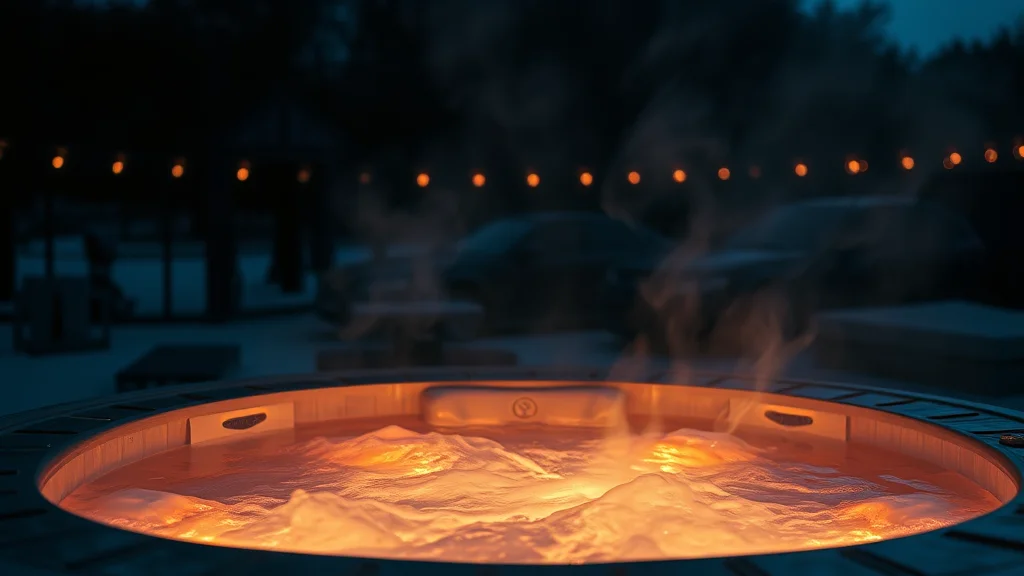
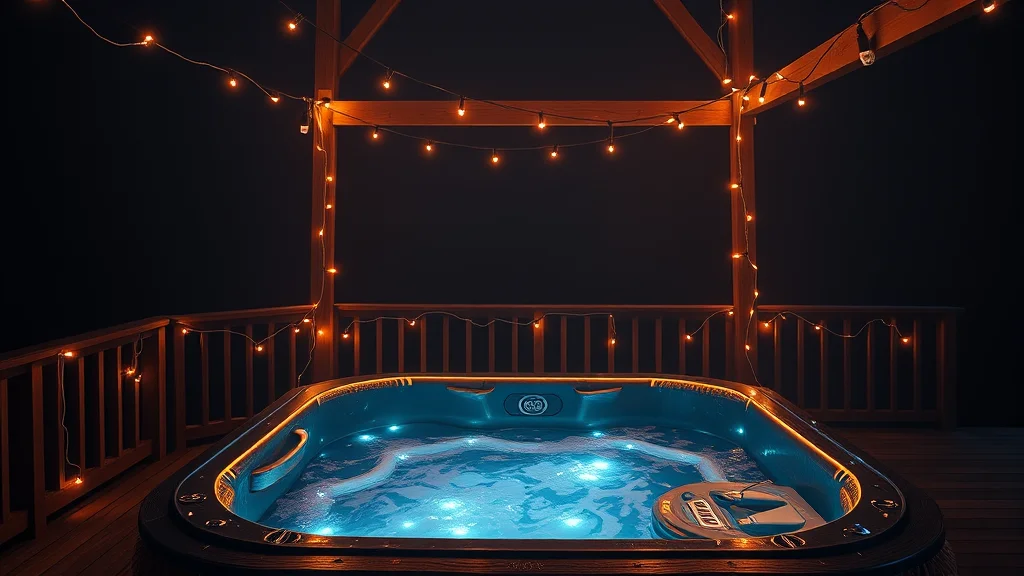
To make a believable hot tub NSFW AI scene, anchor it at night: a small bubbling tub, thick rising steam, a wet wooden deck, and warm string lights overhead. Light it with a low amber glow plus soft reflections on the churning water. Keep the subject waist deep and seated, then fix muddy water and flat steam in post.
Why a night hot tub is harder than it looks
A hot tub scene sounds simple, but it is one of the trickiest small environments to render convincingly. The reason is that almost everything in frame is reactive: the water moves, the steam drifts, the lights bounce, and the subject sits half submerged. Get one of those wrong and the whole thing reads as a cheap composite. A poolside shot forgives a lot because it is usually bright, open, and dry around the edges. A hot tub at night is the opposite. It is intimate, wet, warm, and dark, so the model has to carry mood and physics at the same time.
The most common failure is that people prompt “hot tub” and get a daytime backyard pool with a person floating on top of clear blue water. That is not a hot tub scene. A real one is small, the water is churning and slightly cloudy from the jets, steam is rising off the surface, and the only light is warm and local. If you want this to look like a genuine late night soak, you have to build the night, the steam, and the small enclosed tub deliberately. This guide walks through the props, the lighting, the staging, a copy paste prompt, and the specific fixes for the four things that break most often.
If you are new to environment prompting in general, skim the broader setting prompt tags guide first, then come back here for the hot tub specifics.
The setting and prop prompt tags
The scene is built from a stack of environment tokens. You want the model to understand four things at once: it is night, it is a small hot tub (not a pool), it is steamy, and it is lit warmly. Order matters. Lead with the tub and the water state, then the time of day, then the props, then the atmosphere.
Here is a working tag table you can pull from. Mix three or four from each row rather than dumping all of them.
| Element | Strong prompt tags |
|---|---|
| The tub | outdoor hot tub, small bubbling jacuzzi, wooden hot tub, waist deep warm water, churning water surface, jet bubbles |
| Time and sky | night, dark evening, deep blue night sky, no daylight, moonlit |
| Deck and surround | wet wooden deck, cedar decking, dark timber surround, towels on the rail, glass of wine on the edge |
| Lights | warm string lights, fairy lights overhead, amber lantern glow, soft underwater tub light, warm bokeh |
| Trees and depth | dark pine trees behind, silhouetted foliage, blurred garden background, night forest edge |
| Atmosphere | thick rising steam, warm mist over water, humid air, soft haze, condensation |
The two tokens that do the heavy lifting are “small bubbling hot tub” and “thick rising steam.” Without the first, you drift toward a pool. Without the second, you lose the single most convincing detail of a warm night soak. Keep both near the front of the prompt.
For deeper control over the surrounding vibe, the mood and atmosphere prompt tags pair well here. Words like “intimate,” “private,” and “secluded” push the model toward a small enclosed feel instead of a resort spa.
How to light a night hot tub
Lighting is where a hot tub scene lives or dies. The entire mood is warm, low, and local. There is no big soft key from a bright sky because it is night. Instead you have three light sources working together, and you should name them.
First, the string lights above. These are your ambient fill. They give the subject a gentle warm edge and they justify the golden tone of the whole frame. Prompt them as “warm string lights overhead” and “amber fairy light glow.”
Second, the tub light. Many hot tubs have a soft underwater light that turns the churning water into a glowing pool of amber or teal. This is the source that lights the subject from below and catches the steam. Prompt “soft underwater tub light” and “warm glow from the water.” A gentle underlight is flattering and reads as authentic, so lean into it.
Third, the reflections. Moving water throws broken highlights onto skin and onto the steam. This is what sells the wet look. You cannot always force it with a token, but “water surface reflections on skin” and “warm light dancing on wet skin” nudge the model in the right direction.
Keep the overall exposure on the darker side. A night hot tub that is evenly bright looks fake. You want deep shadows in the trees, a bright warm core around the tub, and a smooth falloff into black. If you are unsure how to phrase warm low light, the lighting prompt reference has ready made phrases, and a low key lighting workflow is a good companion because a night soak is essentially a low key scene with one warm source.
One detail that separates a convincing render from a flat one is color temperature contrast. Push the tub light and string lights warm (amber, gold) while letting the sky and the deep tree line stay cool (blue, near black). That warm core against cool surround is what the eye reads as a real night scene lit by artificial light. If everything is the same temperature, the image looks like a single flat wash and loses all sense of a light source. You can reinforce this in the prompt with tokens like “warm amber key light” and “cool blue night shadows,” and you can strengthen it further in grading, which is covered in the color grading prompt tags.
Staging, subject placement, and depth
The subject should be seated in the tub, water at roughly the waist or lower chest, arms resting on the rim or the edge of the deck. This placement matters for two reasons. It gives the water something to interact with (a visible waterline on the skin), and it grounds the subject so she does not appear to float. Floating is the number one staging failure, and it almost always comes from the model not understanding where the water surface sits.
Build depth in three layers. Foreground is the churning water and steam closest to camera. Midground is the subject and the near rim of the tub. Background is the dark deck, the string lights, and the silhouetted trees falling out of focus. When these three read as separate distances, the image gains the depth that makes a small scene feel real rather than pasted. A shallow depth of field with warm bokeh in the lights behind reinforces this beautifully, similar to the approach in a bokeh photo build.
Camera angle should usually be slightly above eye level looking down into the tub, or level across the water. A low angle from the water surface makes the steam and reflections pop but is harder to control. For angle phrasing, the camera angle prompt tags list the exact tokens. Keep the subject as an original adult character; this is a composition exercise, not a likeness of any real person.
Props sell the intimacy of a small tub. A glass of wine balanced on the wooden rim, a folded towel draped over the edge, or a lantern on the deck all give the eye small anchors that make the scene feel lived in rather than staged. Add one or two, not five, because clutter competes with the subject and gives the model more objects to warp. Place these props near the subject in the midground so they share her focus plane and read cleanly. A single believable prop does more for the sense of a private late night soak than a busy set ever will.
A full copy paste example prompt
Here is a complete positive and negative block you can drop into most SDXL or Pony based checkpoints and adjust. It targets a realistic night soak.
Positive:
photorealistic, an adult woman relaxing in a small outdoor hot tub at night, waist deep in warm churning water, jet bubbles, thick rising steam over the water surface, wet wooden cedar deck, warm string fairy lights overhead, soft amber underwater tub light, dark pine trees silhouetted behind, deep blue night sky, warm bokeh in the background lights, water surface reflections on wet skin, intimate private atmosphere, shallow depth of field, 85mm lens look, detailed skin texture, cinematic warm color grade

Negative:
daytime, bright sunlight, clear blue pool water, floating on water, dry skin, flat lighting, harsh flash, plastic skin, extra limbs, deformed hands, warped deck boards, garbled railing, watermark, text, lowres, blurry background mush, oversaturated, cartoon
Swap “an adult woman” for “an adult man” or a couple as needed, and adjust the tree line or deck material to taste. If your character needs to stay identical across several shots, run this through a consistent photo set workflow or one of the character consistency techniques.
Sampler, CFG, and checkpoint notes
Steam and moving water reward a sampler that resolves fine gradients cleanly. For SDXL and Pony checkpoints, DPM++ 2M Karras at 30 to 35 steps is a reliable baseline. If the steam comes out crunchy or banded, try DPM++ SDE Karras, which tends to smooth soft atmospheric transitions.
Keep CFG moderate, around 5 to 7. A night scene with a lot of dark area gets ugly fast at high CFG: the blacks crush, the warm lights blow out, and the steam turns into hard white smears. Lower CFG keeps the falloff soft and the mood intact. The full CFG and sampler settings guide covers the tradeoffs in depth.
For checkpoint choice, a realism focused model is essential here because skin, water, and steam all need believable texture. epiCRealism and RealVisXL both handle warm low light well. If you prefer a Pony base for anatomy control, CyberRealistic Pony is a strong pick. Browse the wider checkpoint roundup if you want options.
| Setting | Recommended start | Notes |
|---|---|---|
| Sampler | DPM++ 2M Karras | Switch to SDE Karras for smoother steam |
| Steps | 30 to 35 | More steps help fine water detail |
| CFG | 5 to 7 | Low CFG protects the dark falloff |
| Resolution | 832×1216 portrait | Upscale after, do not native render huge |
| Checkpoint | epiCRealism or RealVisXL | Realism model for skin plus water |
Where it breaks and how to fix it
Four things break in almost every hot tub render. Here is how to catch and fix each.
Muddy or dark water
Hot tub water is slightly cloudy from the jets, which is realistic, but the model often overdoes it and turns the tub into a black or brown sludge with no readable surface. The fix is twofold. In the prompt, add “soft underwater tub light” and “warm glowing water” so the water has an internal light source. In post, use an inpainting pass on just the water to repaint a warmer, more translucent surface, and lift the shadows locally in your editor. The photo editing workflow guide shows the masking approach.
Floating subject
If the subject appears to sit on top of the water instead of in it, the waterline is missing. The model has not committed to where the surface intersects the body. Fix it by prompting “waist deep in the water,” “visible waterline on skin,” and “partially submerged.” If it still floats, inpaint the waterline: mask the boundary where body meets water and repaint a soft wet transition with a few droplets and a slight color shift below the line. This single fix does more for realism than anything else.
Flat, pasted on steam
Steam should be volumetric, wispy, and lit from below by the warm tub light. When it comes out as a flat white haze laid over the whole image, it kills the depth. Fix by prompting “thick rising steam,” “volumetric warm mist,” and “backlit steam.” If the render still gives you flat fog, generate a version with stronger steam and blend the two, or paint wispy steam manually on a screen layer in your editor so it curls up naturally rather than sitting as a sheet. Keep steam heaviest right over the churning water and thinning as it rises.
Wrong reflections and warped deck
Moving water and wet wood both reflect the warm lights, and the model sometimes gets the reflection direction wrong or bends the deck boards into curves. For reflections, accept that perfect physics is rare; just make sure the bright reflections sit under the light sources, and paint out any that float in dark areas. For the deck, warped or wavy boards are a classic architecture failure. Inpaint straight board lines back in, or crop tighter so less deck shows. The broader get better results guide has more on cleaning up structural warping, and if the whole frame comes out soft, run the blurry image fix.
Conclusion
A convincing hot tub NSFW scene is a night scene first and a water scene second. Lock in the darkness, the small bubbling tub, and the thick warm steam, then light it with string lights above and a soft glow from the water below. Seat the subject at a real waterline so nothing floats, build your three depth layers, and keep CFG low so the dark falloff stays smooth. When you hit muddy water, a floating subject, flat steam, or a warped deck, fix each locally with inpainting rather than rerolling the whole image. Do that and your late night soak will read as warm, wet, and real. For a brighter daytime alternative, compare this with the poolside scene guide, and for the enclosed indoor version, the bathroom scene guide.
Frequently asked questions
How do I stop my hot tub scene from looking like a daytime pool?
Lead the prompt with night tokens and a small tub. Use phrases like night, deep blue night sky, small bubbling hot tub, and thick rising steam near the front. Add warm string lights and a soft underwater tub light so the only illumination is warm and local. Remove any bright sky or clear blue pool water tokens, and put daytime and clear blue pool water in your negative prompt.
Why does my subject look like she is floating on the water?
The waterline is missing. The model has not decided where the surface meets the body. Prompt waist deep in the water, partially submerged, and visible waterline on skin. If it still floats, inpaint the boundary where the body meets the water and paint a soft wet transition with a slight color shift and a few droplets below the line.
What is the best way to get realistic steam?
Prompt thick rising steam, volumetric warm mist, and backlit steam so it is lit from below by the tub light. Keep steam heaviest right over the churning water and thinning as it rises. If the render gives you a flat white sheet, generate a stronger steam version and blend it, or paint wispy curling steam on a screen layer in your editor.
Which checkpoint works best for a warm night hot tub?
A realism focused model handles skin, water, and steam best. EpiCRealism and RealVisXL both do warm low light well. If you want Pony based anatomy control, CyberRealistic Pony is a strong choice. Avoid stylized or anime checkpoints for this scene since they struggle with believable water and steam texture.
What CFG and sampler should I use for a dark night scene?
Keep CFG low, around 5 to 7, because a dark frame crushes blacks and blows out warm lights at high CFG. Use DPM++ 2M Karras at 30 to 35 steps as a baseline, and switch to DPM++ SDE Karras if the steam comes out banded or crunchy. Render at portrait resolution like 832×1216 and upscale afterward.
How do I fix muddy or black hot tub water?
Give the water an internal light source. Prompt soft underwater tub light and warm glowing water so the surface reads. In post, inpaint just the water to repaint a warmer, more translucent surface and lift the local shadows in your editor. Do not try to fix it globally, since that will wash out the rest of the frame.
How do I keep the wooden deck from warping?
Warped or wavy boards are a common architecture failure. Inpaint straight board lines back in over the bent areas, or crop tighter so less deck is visible. You can also add cedar decking and straight timber boards to the prompt, though inpainting is the reliable fix once the warp appears.
Can I use the same character across several hot tub shots?
Yes. Lock the character with a consistency method before you shoot the set. A LoRA, a fixed seed with the same detailed description, or a face reference through img2img all work. Follow the consistent photo set workflow so the face, hair, and body stay identical while you vary the water level, steam, and angle across the series.