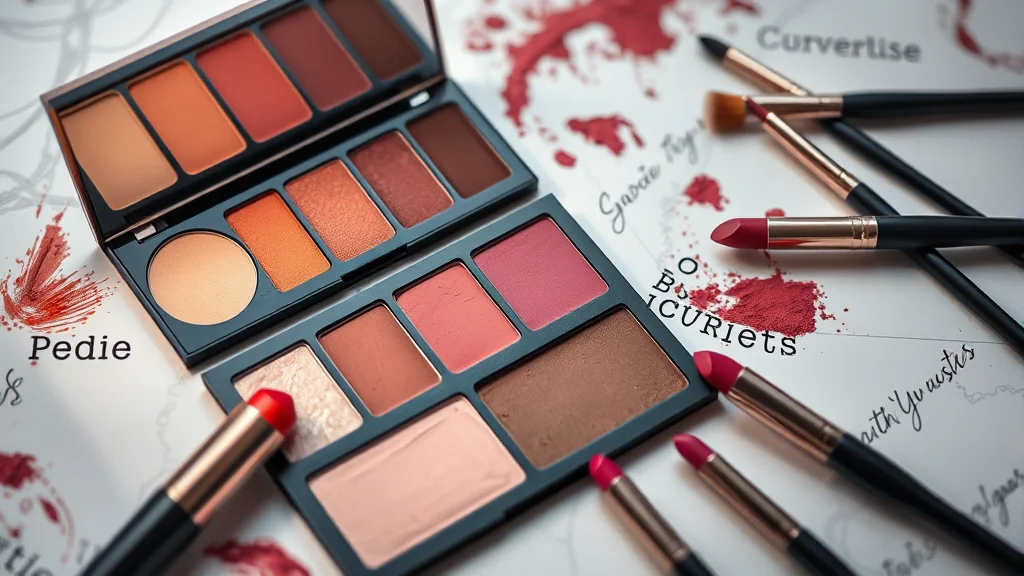
Makeup prompts control the cosmetic layer of a face: eyeshadow, liner, lips, blush, contour, and their state, from clean natural skin to smudged after-hours glam. They sit on top of your facial-expression tags and change the read of a character without touching bone structure. Name the look, name the individual products, weight them, and clean up bleed with a face-pass. That is the whole game.
What makeup prompts control and why they matter
Makeup is one of the highest-leverage descriptive layers in NSFW generation because it changes the entire mood of a face for almost no token cost. A model with bare skin reads as candid and intimate. The same model with a dark smokey eye and a matte red lip reads as deliberate, styled, editorial. You are not changing who the character is, you are changing how she is presented, and that is exactly the kind of variable you want fine control over across a set.
The important thing to understand is that makeup is a separate axis from emotion. Your facial-expression tags decide whether she looks soft, hungry, amused, or blissed out. Your makeup tags decide the finish sitting on top of that expression. You can absolutely stack a tear-streaked mascara look on a calm face or a fresh natural glow on an intense one, and the two channels rarely fight each other. Keeping them mentally separate is what lets you art-direct instead of rerolling. If you want to go deeper on the emotion channel, pair this bank with the facial expression prompts guide.
The second thing to understand is that most photoreal and anime checkpoints have a heavy default. Leave makeup unspecified and a lot of realistic models will still paint on baddie glam: full lashes, heavy contour, glossy overlined lips, cut crease. If you actually want bare skin you have to prompt for it and often push it down. That default is the single biggest reason beginners think their people look plastic, and it is the first thing to fix if your faces feel like mannequins.
Think of makeup as three sub-layers that stack: the overall look (the word that names the vibe), the individual products (the specific tools painting each feature), and the state (whether that makeup is fresh, worn, or wrecked). You can prompt at any level. A single look word gets you eighty percent of the way, the product tags refine it, and the state tag adds the story. Most strong prompts use one word from each level.
The copy-paste makeup tag bank
Categorized so you can grab one line per slot. Mix a look tag with two or three product tags plus a state tag when relevant.
Overall looks
natural makeup, no-makeup makeup, minimal makeup, fresh-faced, dewy natural look
soft glam, everyday glam, full glam makeup, editorial makeup, high fashion beauty look
smokey eye makeup, sultry evening makeup, classic red lip look, bold lip look
goth makeup, dark alternative makeup, grunge makeup, egirl makeup, clean girl makeup
vintage pinup makeup, retro 1950s makeup, doll-like makeup, avant-garde makeup
sun-kissed summer makeup, bronzed glam, monochrome makeup, siren eye, fox eye look
Eyes
smokey eyeshadow, matte brown eyeshadow, shimmer eyeshadow, halo eye, cut crease
winged eyeliner, sharp cat eye, tightlined eyes, smudged kohl liner, waterline liner
voluminous lashes, natural lashes, wispy lashes, false lashes, spiky wet lashes
bold graphic liner, colored eyeliner, under-eye shimmer, defined brows, feathered brows
glittery eyelids, metallic eyeshadow, soft brown smokey eye, dark grunge liner
Lips
red lipstick, matte red lips, glossy lips, high-shine lip gloss, nude lip
berry lip, dark plum lipstick, black lipstick, overlined lips, soft stained lips
wet-look lips, satin finish lips, smudged lipstick, bitten lips, glossy nude
ombre lips, blurred lip, deep wine lips, coral lips, glossy red
Cheeks and skin finish
soft blush, bold flushed cheeks, sunkissed blush, cream blush, draped blush
sculpted contour, subtle contour, dewy highlighter, glowing skin, matte skin finish
freckles showing through, natural skin texture, luminous complexion, glossy highlight on cheekbones
rosy cheeks, flushed from arousal, bronzed cheeks, soft matte base
State and condition (the NSFW-useful ones)
freshly applied makeup, flawless makeup
smudged makeup, smeared lipstick, runny mascara, tear-streaked makeup
sweat-smudged makeup, kiss-smudged lipstick, slightly melted makeup, morning-after makeup
makeup smudged around the eyes, lipstick worn off in the center, glossy sheen of sweat
That last block is where makeup does real narrative work in adult art. A smeared lip or a run of mascara reads as intensity and aftermath, and it is far more suggestive than any explicit tag because it implies the story rather than stating it. A flushed face with a glossy sheen of sweat and half-worn lipstick tells the viewer what happened without a single explicit token, which is exactly the kind of restraint that makes an image read as photography rather than a diagram.
Reference grid: look to tags to when to use
| Look | Core tags | Best paired mood | Watch out for |
|---|---|---|---|
| No-makeup makeup | natural makeup, dewy skin, freckles, natural lashes | intimate, candid, morning | model reverts to glam, push down |
| Soft glam | soft glam, winged eyeliner, nude lip, subtle contour | romantic, confident | can drift heavy, keep liner light |
| Smokey evening | smokey eye, dark eyeshadow, matte red lips | sultry, dominant | panda eyes, weight the eyeshadow |
| Goth | goth makeup, black lipstick, heavy kohl, pale skin | moody, edgy | clown effect, control saturation |
| Editorial | editorial makeup, graphic liner, glossy highlight | high fashion, cinematic | over-stylization, keep skin real |
| Pinup | vintage pinup makeup, red lips, winged liner | retro, playful | too costume-y, keep it modern |
| Morning-after | smudged makeup, runny mascara, kiss-smudged lips | aftermath, raw | full melt, keep it partial |
Use the grid as a starting point, then adjust weights. None of these are one-shot magic strings, they are anchors you tune. The best workflow is to lock the look word first, confirm the model is in the right neighborhood, then layer product and state tags one at a time so you can see what each is doing.
Full example prompts
Natural skin that actually stays natural
Positive:
photorealistic portrait of an adult woman, (natural makeup:1.2), (no-makeup makeup:1.1),
dewy skin, visible skin texture, light freckles, natural lashes, soft nude lip,
soft window light, shallow depth of field, 85mm, intimate bedroom
Negative:
heavy makeup, full glam, thick eyeliner, overlined lips, false lashes, cakey foundation,
airbrushed skin, plastic skin, orange contour
The negative here is doing as much work as the positive. Because the default leans glam, you push the glam vocabulary into negative so the model has somewhere to fall back to. Notice the positive also asks for visible skin texture and freckles, which reinforce the bare read, since a face with pores and freckles cannot also be a smooth glam mask.
Smokey evening glam
Positive:
cinematic portrait of an adult woman, (smokey eye makeup:1.3), dark blended eyeshadow,
(winged eyeliner:1.1), (matte red lips:1.2), sculpted contour, glowing highlighter,
moody low key lighting, warm rim light, 50mm, editorial
Negative:
smudged under eyes, panda eyes, uneven eyeliner, lipstick on teeth, clown makeup,
asymmetric eyes, blurry, deformed
Goth look
Positive:
portrait of an adult goth woman, (goth makeup:1.3), (black lipstick:1.2), heavy kohl liner,
dark smokey eyes, pale skin, bold defined brows, dramatic mood, hard side light
Negative:
colorful, natural makeup, glossy pink lips, sunny, low contrast, muddy makeupIf goth is your whole aesthetic and not just a face, the full goth NSFW art guide covers wardrobe, lighting, and setting to match. The same principle applies to a pinup face, where the pinup art guide shows how the red lip and winged liner tie into the whole retro staging rather than floating on a modern shot.
Common failure modes and how to fix them
Makeup bleeds onto skin or teeth. The classic tell: lipstick smeared past the lip line onto the chin, or a red film across the teeth when the mouth is open. This is a resolution and detail problem more than a prompt problem. The fix is a face-pass. Run ADetailer on the face so the face is re-rendered at higher effective resolution, and the mouth and lips resolve cleanly. Add lipstick on teeth, smeared lipstick to the negative when you did not want the smudged state.
Uneven or mismatched eyes. One eye gets a sharp wing, the other gets a blob. Two eyes with different eyeshadow intensity. This is the most common makeup defect and it comes from the two eyes being rendered as separate low-resolution regions. ADetailer with eye detection, or a manual inpaint pass on each eye, fixes it reliably. Prompting symmetrical eye makeup, matching eyeliner helps at generation time but does not beat a detail pass.
Clown-heavy default. Everything is turned to eleven: neon eyeshadow, stripe contour, overlined lips, the works. This is the model’s glam bias compounding with high makeup weights. Drop your makeup weights, and move the specific offenders into the negative. If you asked for (full glam:1.4) and got a circus, try (soft glam:1.1) instead. Weighting discipline is the real skill here, and the prompt weighting guide is worth a read if your numbers feel like guesswork.
Makeup ignores the intended state. You asked for runny mascara and got flawless makeup, or you asked for fresh makeup and got a melted mess. State tags are weak on many checkpoints. Weight them up, (runny mascara:1.3), and support them with context: after crying, tear-streaked reinforces the runny read, while freshly applied, flawless reinforces the clean one. Give the model two words pointing the same direction and it commits.
The look changes the face shape. Heavy contour tags occasionally warp the jaw or cheekbones because the model conflates painted contour with actual geometry. Keep contour tags mild, subtle contour rather than heavy sculpted contour, unless you specifically want the drama, and verify the face still matches your character.
Colored eyeshadow bleeds into the whole eye socket. Bold or metallic shadow sometimes floods past the lid into the brow and under-eye. Weight the shadow down and specify placement with eyeshadow on the lids so the color stays contained, then clean any overflow with a small inpaint.
Keeping makeup consistent across a set
This is where most sets fall apart. You nail the makeup on image one and by image five she is wearing a different face. A few habits keep the cosmetic layer locked.
First, treat your makeup block as a fixed unit. Once a look works, copy the exact tags, in the same order, at the same weights, into every prompt in the set. Do not paraphrase. (smokey eye:1.3), matte red lips and dark eyeshadow, red lipstick will not render identically even though they mean the same thing to you. Paraphrasing is the quiet killer of continuity.
Second, lock your seed strategy the same way you would for the character itself. If you are building a coherent consistent photo set, the makeup travels with the character reference, and you should be leaning on the same character consistency techniques you use for the face. Makeup consistency is a subset of face consistency, so anything that stabilizes the face stabilizes the makeup.
Third, if you want the makeup to evolve across a set on purpose, going from fresh to smudged as a narrative arc, change only the state tags and hold everything else constant. Image one: freshly applied makeup, flawless. Later image: same look plus smudged makeup, kiss-smudged lips. That reads as the same makeup on the same night, which is exactly the continuity you want. Changing the look word instead, from smokey to natural, breaks the story because it looks like she reapplied a different face mid-scene.
Fourth, run the face-pass with the same ADetailer prompt every time. If your face detailer has its own prompt field, put the makeup tags there too so the re-rendered face carries the same cosmetics. Inconsistent detailer prompts are a sneaky source of drift, because the base image can be right and the detail pass quietly repaints the lips a different shade.
Finally, review the set side by side before you call it done. Cosmetic drift is easiest to catch when you can see image one and image five at the same time. If the lip color shifted, fix it with a quick inpaint rather than rerolling the whole image. A one-region repaint is minutes, a full reroll risks changing everything else you already got right.
Product-level control versus look words
When a look word alone is not landing, drop down to the product level and paint each feature yourself. Instead of soft glam, spell out nude lip, winged eyeliner, subtle contour, dewy highlighter. This costs more tokens but gives you far tighter control, because each product tag targets one feature rather than asking the model to interpret a fuzzy umbrella term. It is also how you build a look the model has never seen a name for, mixing a matte red lip with a bare eye, for example, which no single look word will give you.
Product-level prompting is also the answer when two look words collide. If you write goth makeup, clean girl makeup the model averages them into mush. Pick the products you actually want from each and list those instead: black lipstick, heavy kohl, glowing skin, brushed-up brows. You get the intentional hybrid rather than a muddy compromise, and you can weight each product independently to tune the balance.
The practical rule is to start with a look word for speed, and switch to product tags the moment you need precision or a combination the model resists. Most polished faces end up as a look word plus two or three product tags that pin the features the look word left ambiguous. Keep the block short, because ten product tags fight each other as badly as two colliding look words. If you want the deepest control over which token wins, the prompt weighting guide and the danbooru tag reference cover how anime and photoreal checkpoints read these differently, since tag-based models respond to product tags far more literally than natural-language ones.
Where to go next
Makeup is one slot in the styling stack. Pair it with the facial expression prompts for emotion, the hair prompts for the frame around the face, and the skin texture prompts so the base skin reads real under the makeup. When you are ready to lock a look across many images, the makeup consistency workflow and the prompt weighting guide are the two pages that turn a lucky roll into a repeatable style.
Frequently asked questions
What is the difference between makeup prompts and facial expression prompts?
Makeup prompts control the cosmetic layer, the eyeshadow, liner, lips, and finish sitting on the skin. Facial expression prompts control emotion, whether she looks soft, intense, or amused. They are separate channels and you stack them freely, so a calm face can wear smudged mascara and an intense face can wear fresh natural skin.
Why does my model always add heavy makeup even when I do not ask for it?
Most photoreal checkpoints have a glam default baked in from their training data, so bare faces come out with full lashes and contour anyway. To get natural skin you must prompt for it explicitly with tags like natural makeup and no-makeup makeup, and push the glam vocabulary into your negative prompt so the model has a clean fallback.
How do I stop lipstick from bleeding onto the teeth or skin?
Bleed is usually a resolution problem where the mouth is rendered too small to resolve cleanly. Run a face pass with ADetailer so the face and lips are re-rendered at higher effective resolution. Add lipstick on teeth and smeared lipstick to your negative prompt when you did not intend the smudged look.
Why do my subject’s two eyes have different makeup?
The two eyes are often rendered as separate low-resolution regions, so one gets a sharp wing and the other a blob. ADetailer with eye detection or a manual inpaint pass on each eye fixes it. Prompting symmetrical eye makeup helps a little at generation time but does not replace a proper detail pass.
How do I keep makeup identical across a whole photo set?
Treat your makeup tags as a fixed block: copy the exact same tags in the same order at the same weights into every prompt, and do not paraphrase them. Put the makeup tags in your ADetailer face prompt too so the re-rendered face carries the same cosmetics, and review the set side by side to catch any color drift.
What tags create a believable morning-after or smudged makeup look?
Use state tags like smudged makeup, runny mascara, kiss-smudged lipstick, and tear-streaked makeup, weighted up to around 1.3 because they are weak on many checkpoints. Support them with context such as after crying or sweat-smudged so the model reinforces the state instead of reverting to flawless makeup.
How heavy should my makeup weights be?
Start mild, around 1.1 to 1.3, and only push higher if the look is not landing. Because most models already lean glam, high weights compound into a clown effect with neon shadow and stripe contour. If a look is too heavy, lower the weight and move the specific offenders into the negative rather than fighting them with more positive tokens.
Can heavy contour change the shape of the face?
Yes, some checkpoints conflate painted contour with actual bone geometry, so strong contour tags can warp the jaw or cheekbones. Keep contour mild with subtle contour unless you specifically want dramatic sculpting, and verify the face still matches your character after generation, fixing any shape drift with a light inpaint.